The Grant Center looks to deepen its partnership with Monash University's Australian Center for Jewish Civilisation (ACJC)- the leading home for Jewish Studies in Australia. ACJC will anchor the transpacific component of Grant Center's Global American Jewish Studies initiative, building upon the Grant Center's recent Capitalism and Global Migration conference in Sydney. The innovative partnership will also feature joint faculty research initiatives, public-facing digital content, faculty and graduate student exchanges, and opportunities for Tulane undergraduates.
Addressing Antisemitism on Campuses with Dr. David Slucki, hosted by The Grant Center and Tulane's Office of Academic Excellence and Opportunity


This session focused on the history of Jews and antisemitism, how antisemitism manifests in the contemporary university, and what are its impacts on Jewish campus communities. It invited participants to discuss campus case studies and work through potential responses. Finally, we thought through how best to implement measures to prevent antisemitism. This session, whilst focused particularly on antisemitism and responding to the current moment, will serve to strengthen the capacity for faculty and staff to provide safe and inclusive environments for all students, and to fulfill their missions as sites of intellectual discussion and disagreement.
-
The Australian Centre for Jewish Civilisation is leading a number of major initiatives to understand and counter antisemitism at Australian universities and the broader community. So far, Monash has invested $1 million to support the work of combating antisemitism and Islamophobia and contribute to a more robust campus environment. The aim is to develop programmes and best practice approaches that can be rolled out across universities nationally.
The modules will focus on the history of Jews and antisemitism, how antisemitism manifests in the contemporary impact, and what are its impacts on Jewish communities. It will then provide case studies that are tailored for various audiences, and we will provide a database of case studies to draw on, and finally the trainings will work with leaders and staff on how best to implement measures to prevent antisemitism.
Rose Rosenkranz's School Visits to Kehoe-France and Metairie Park Country Day - January 2025
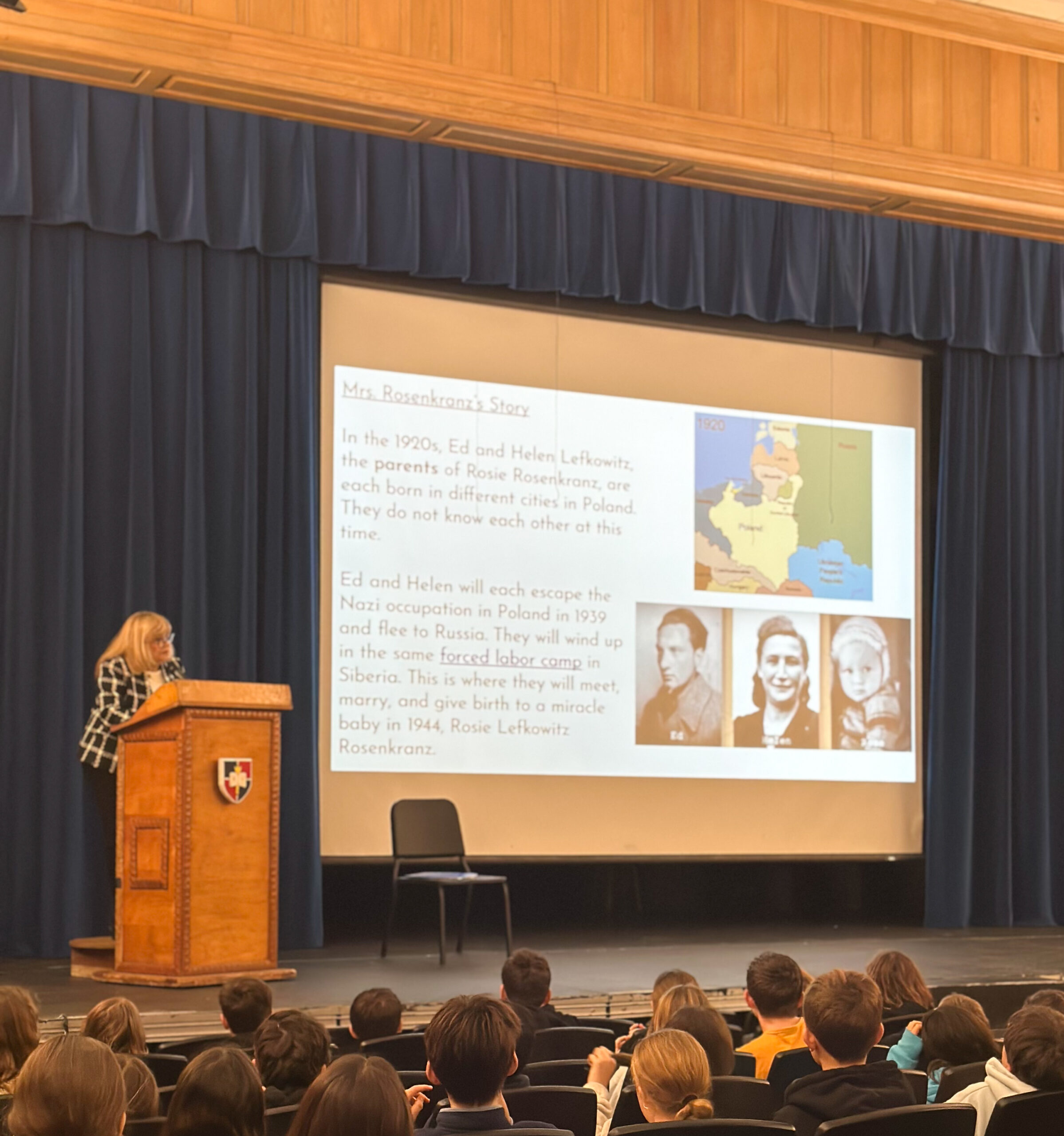


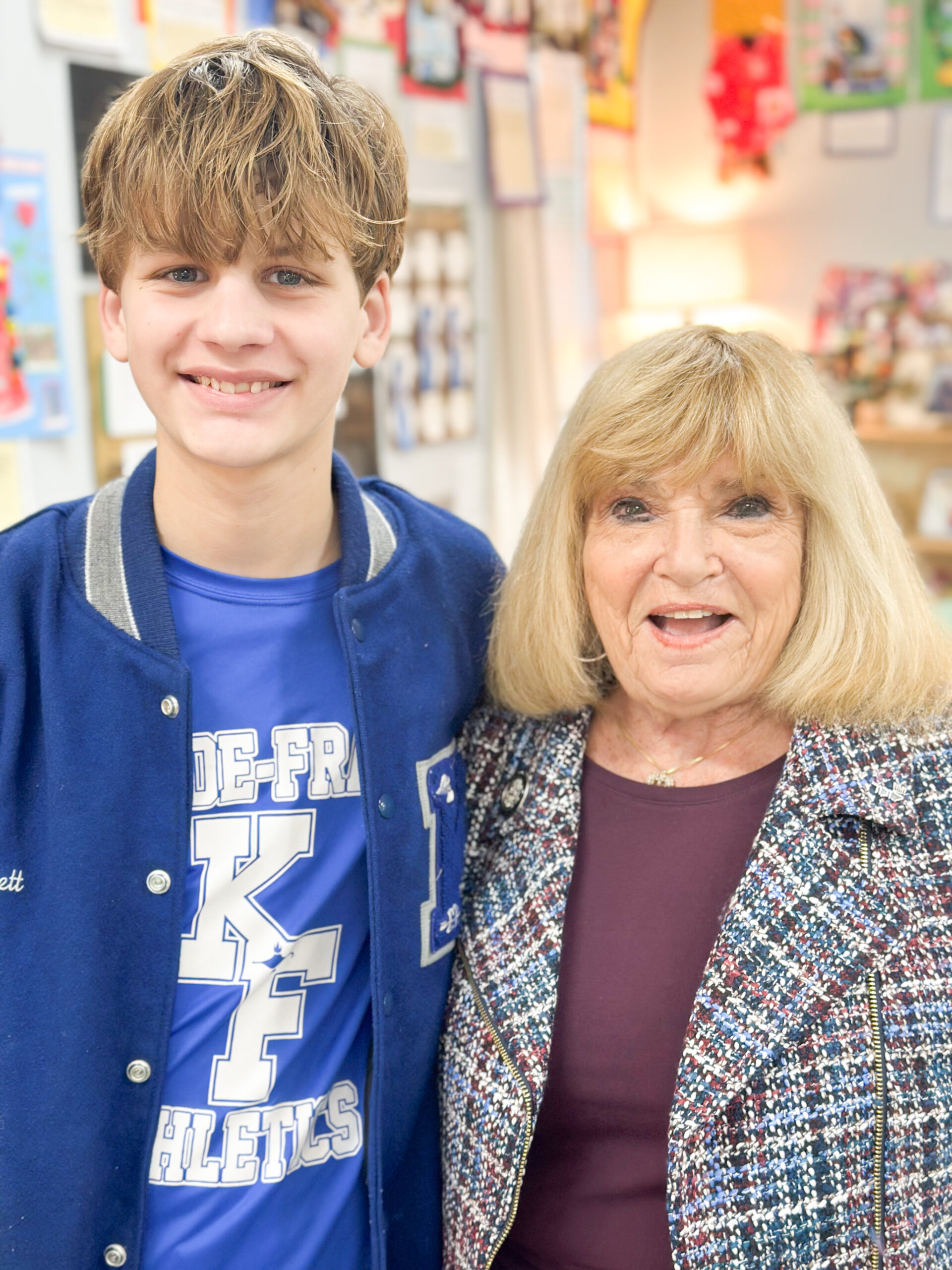
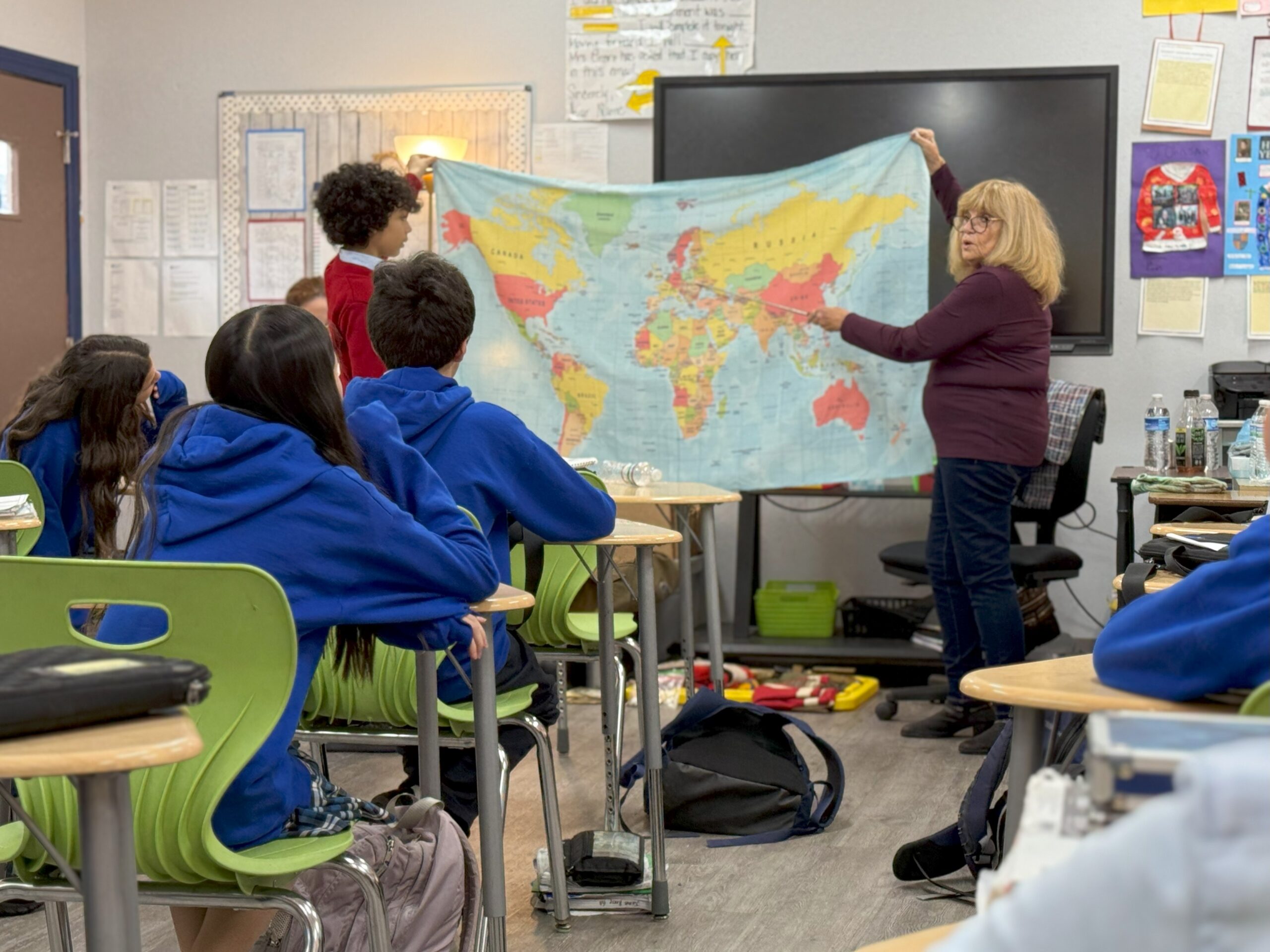
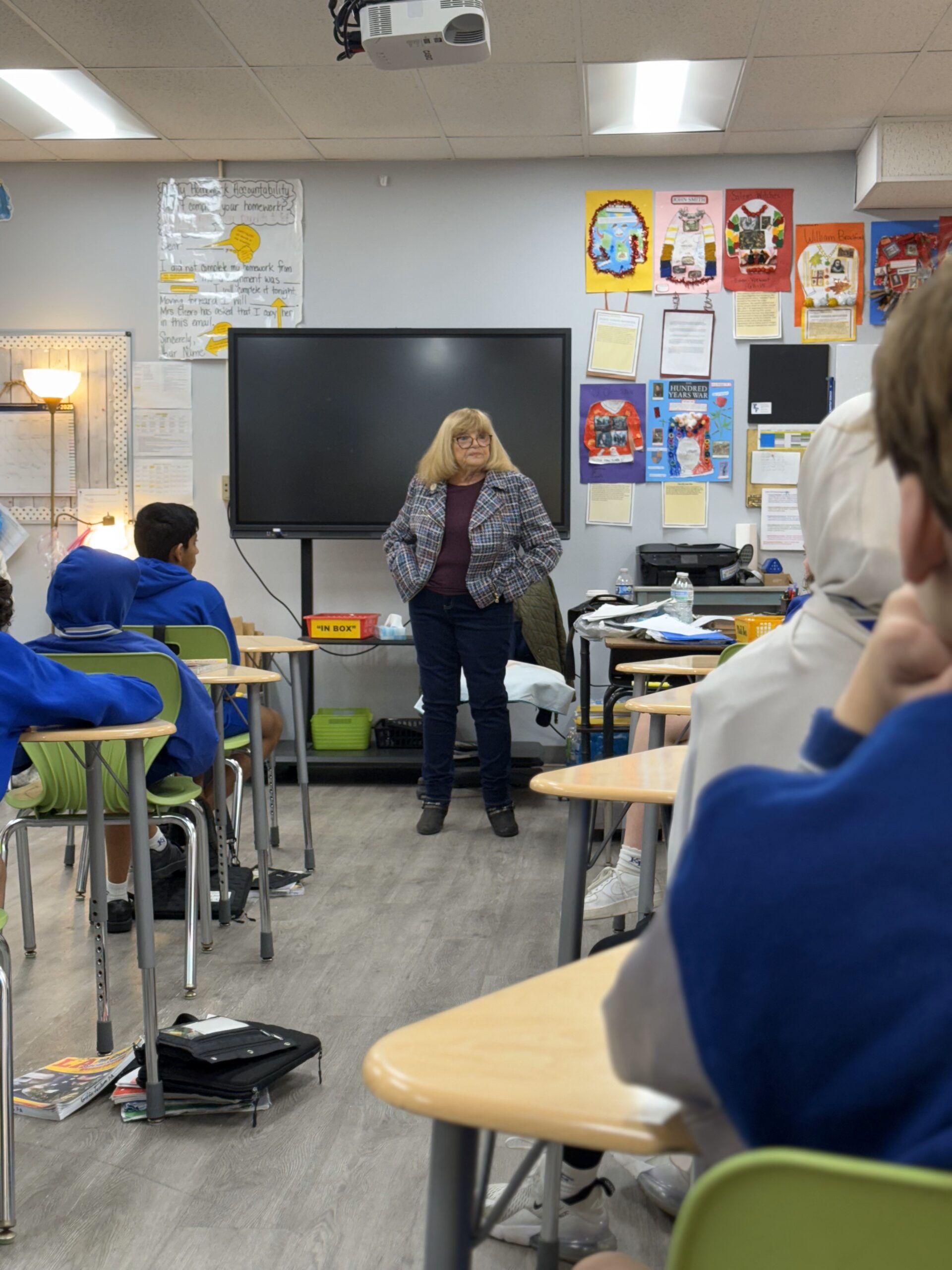
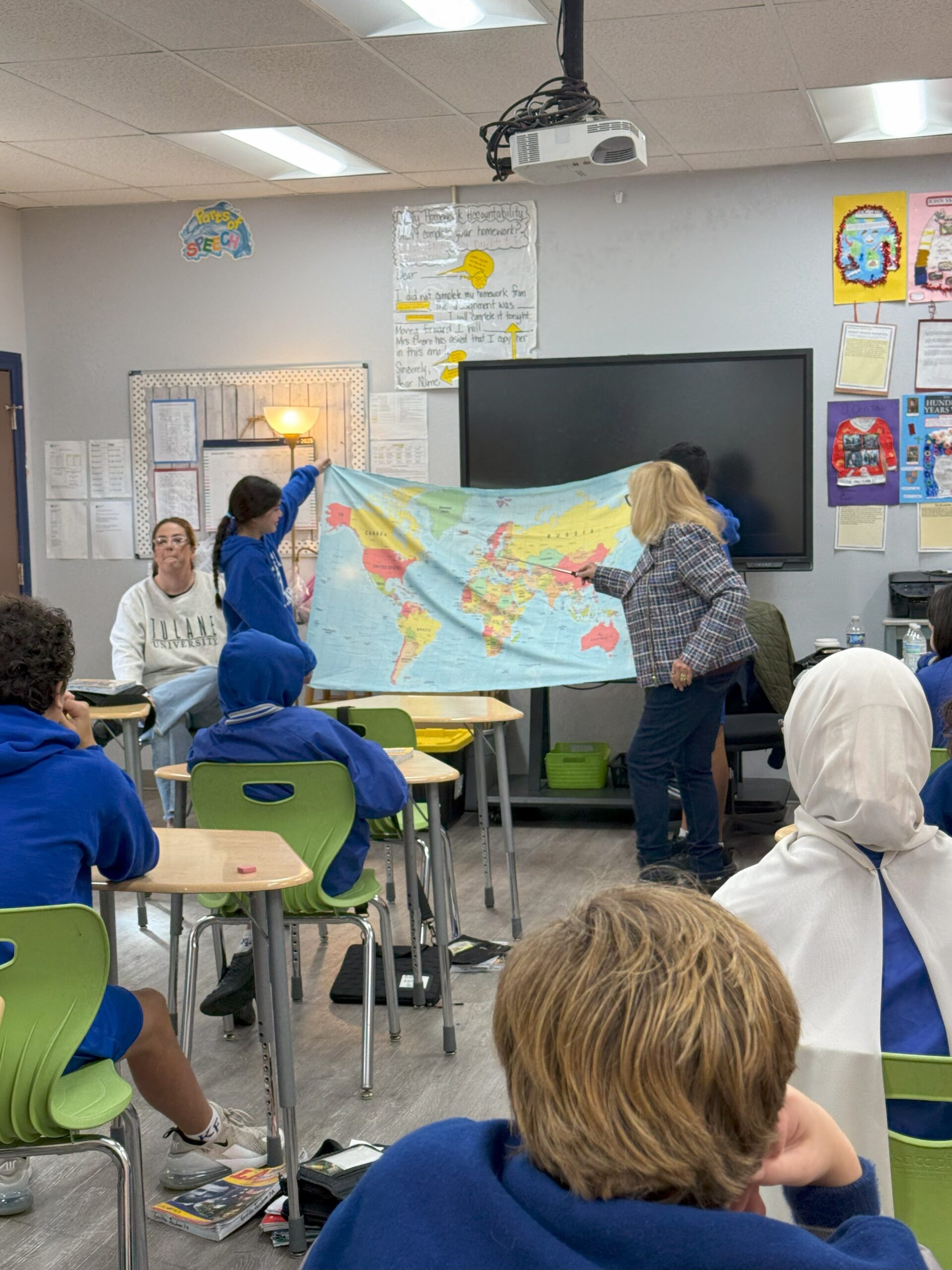
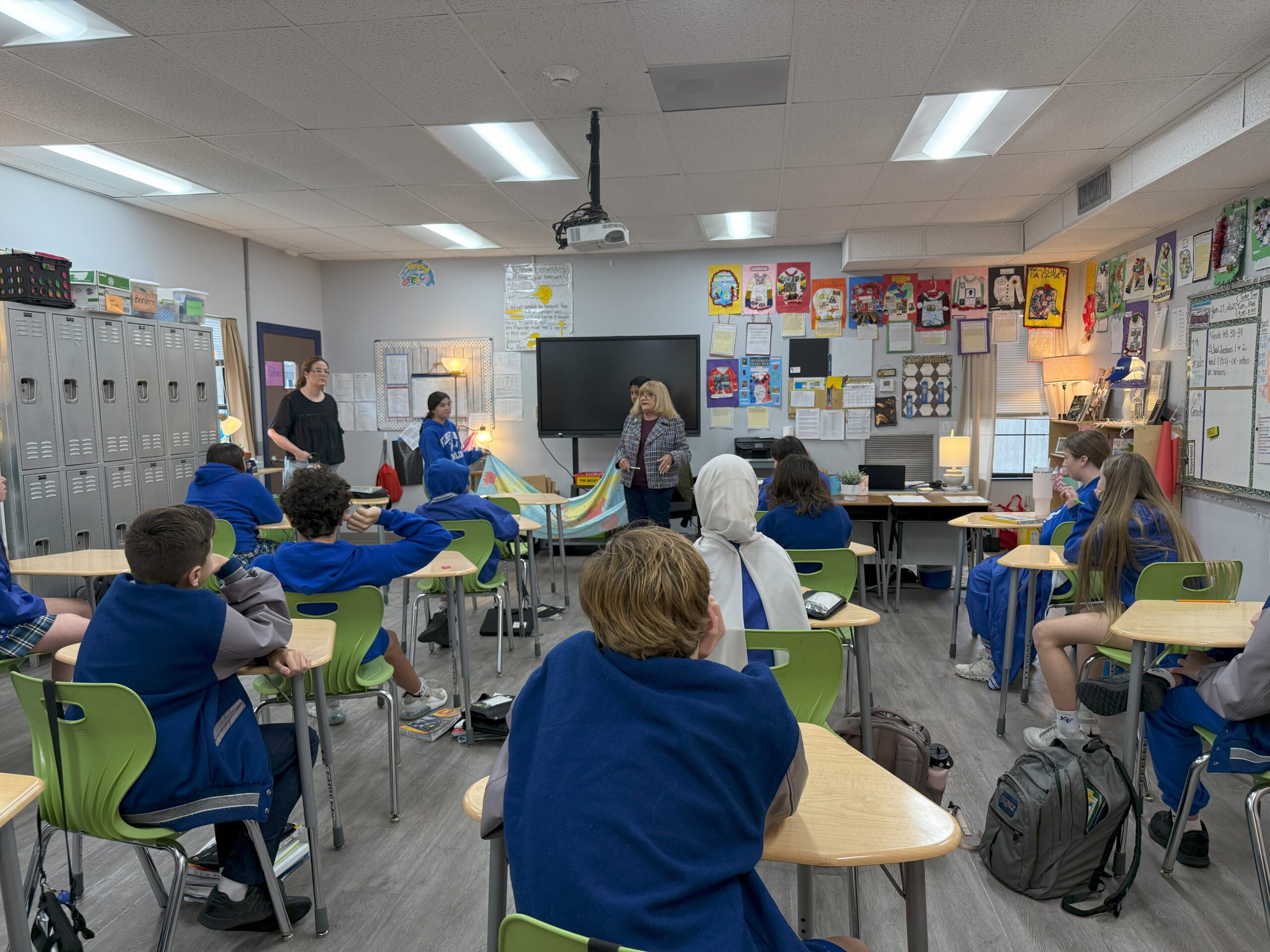
Kehoe-France and Metairie Park Country Day School Visits - April 2024
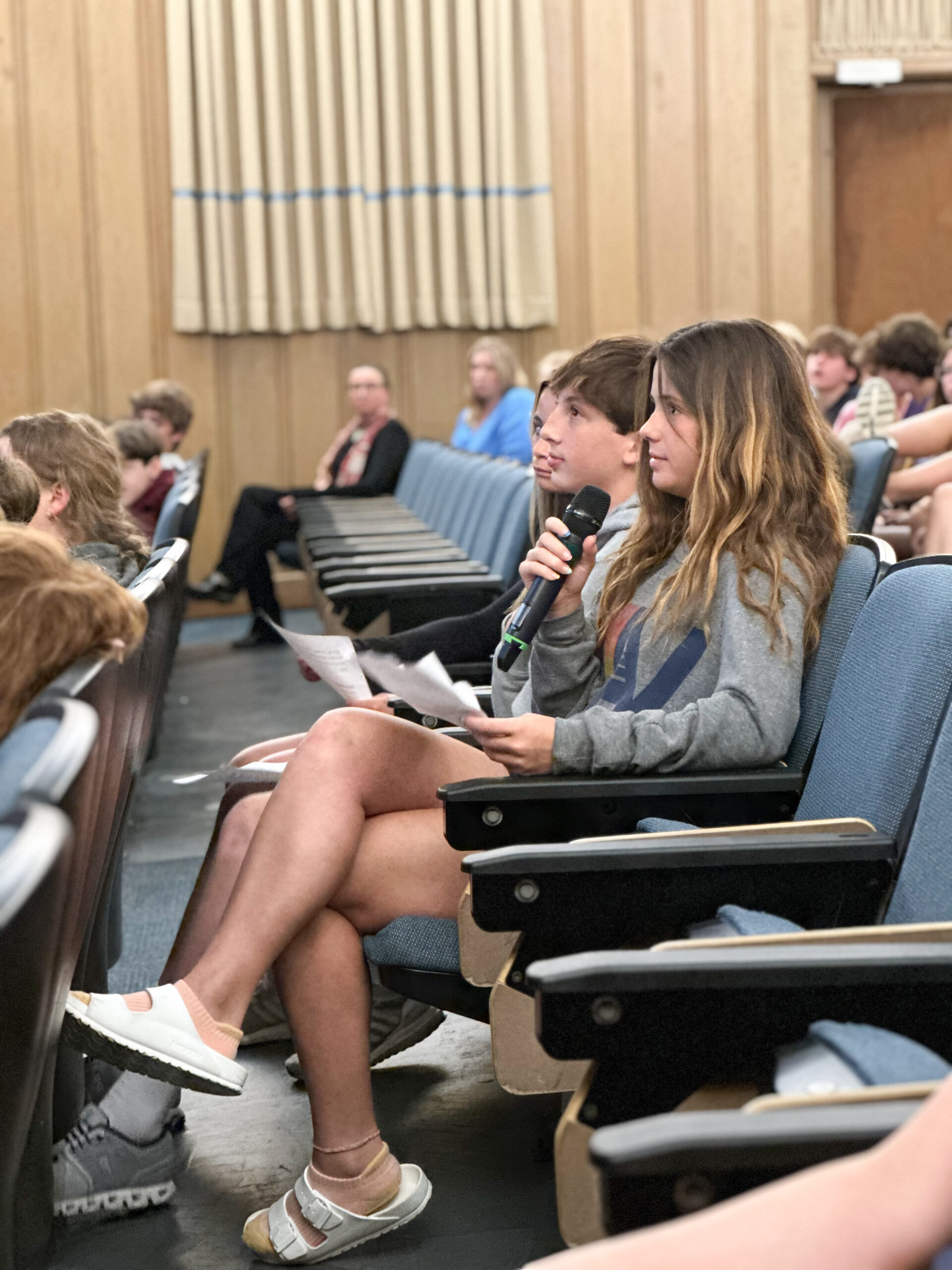
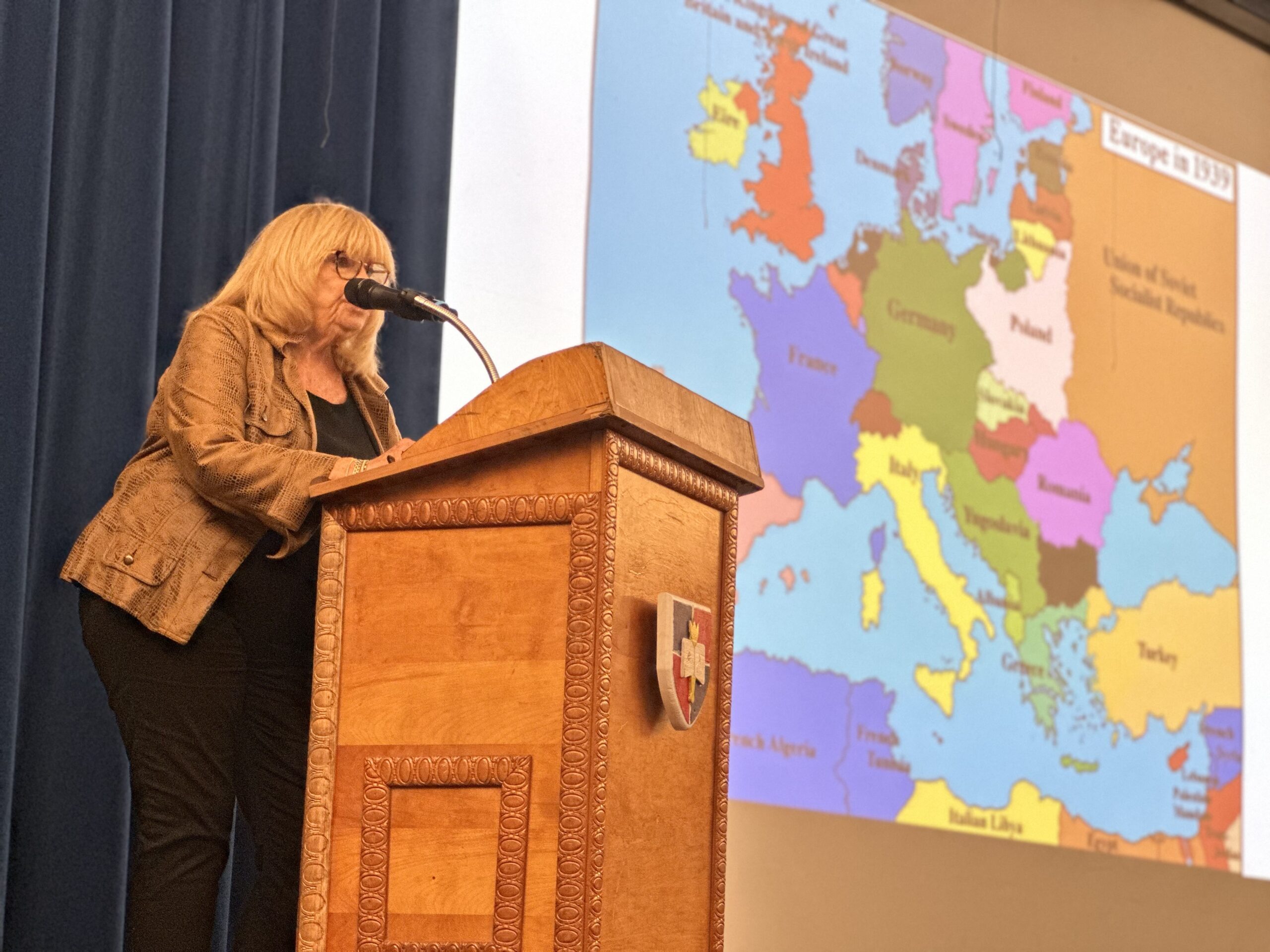
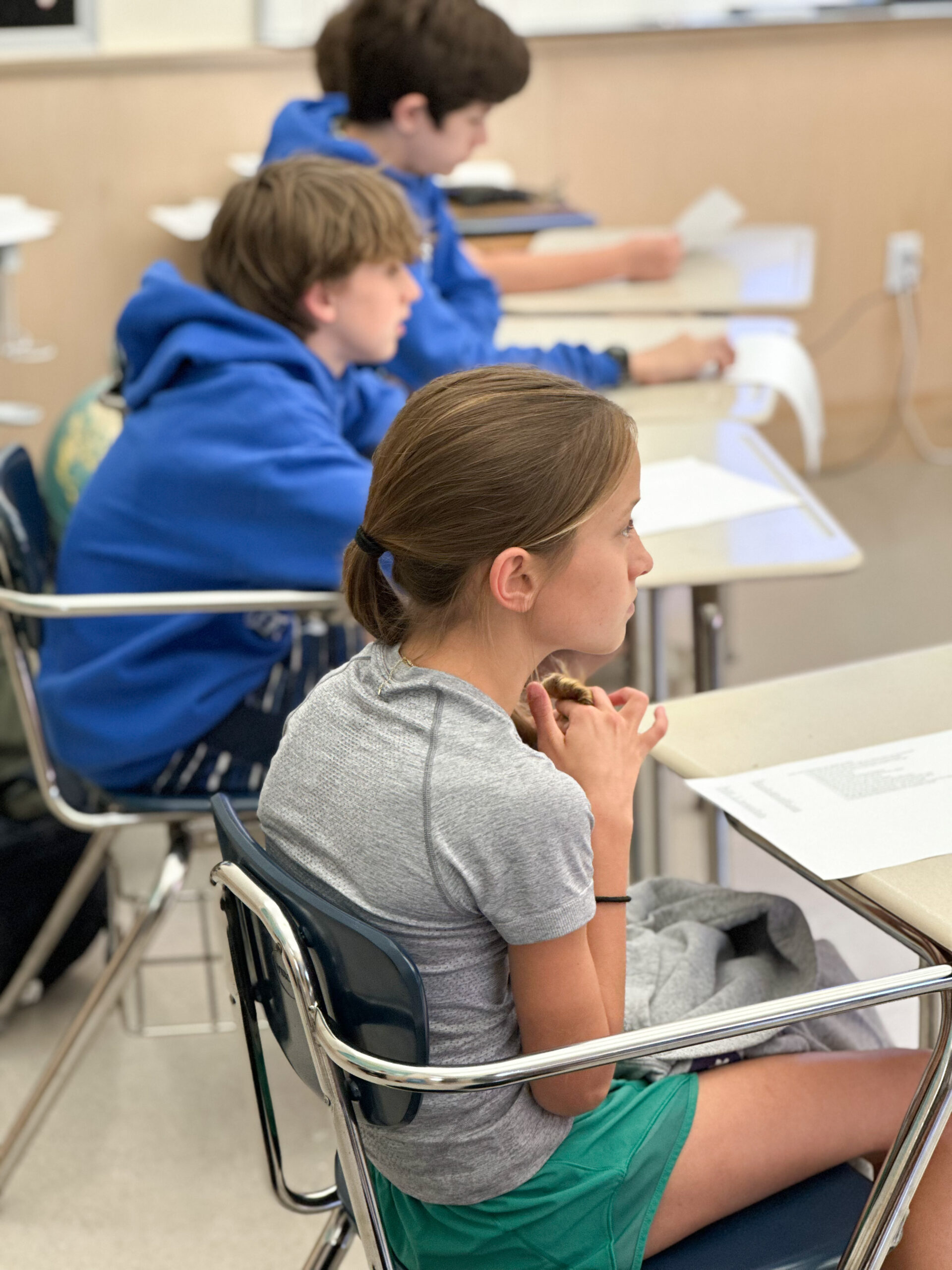

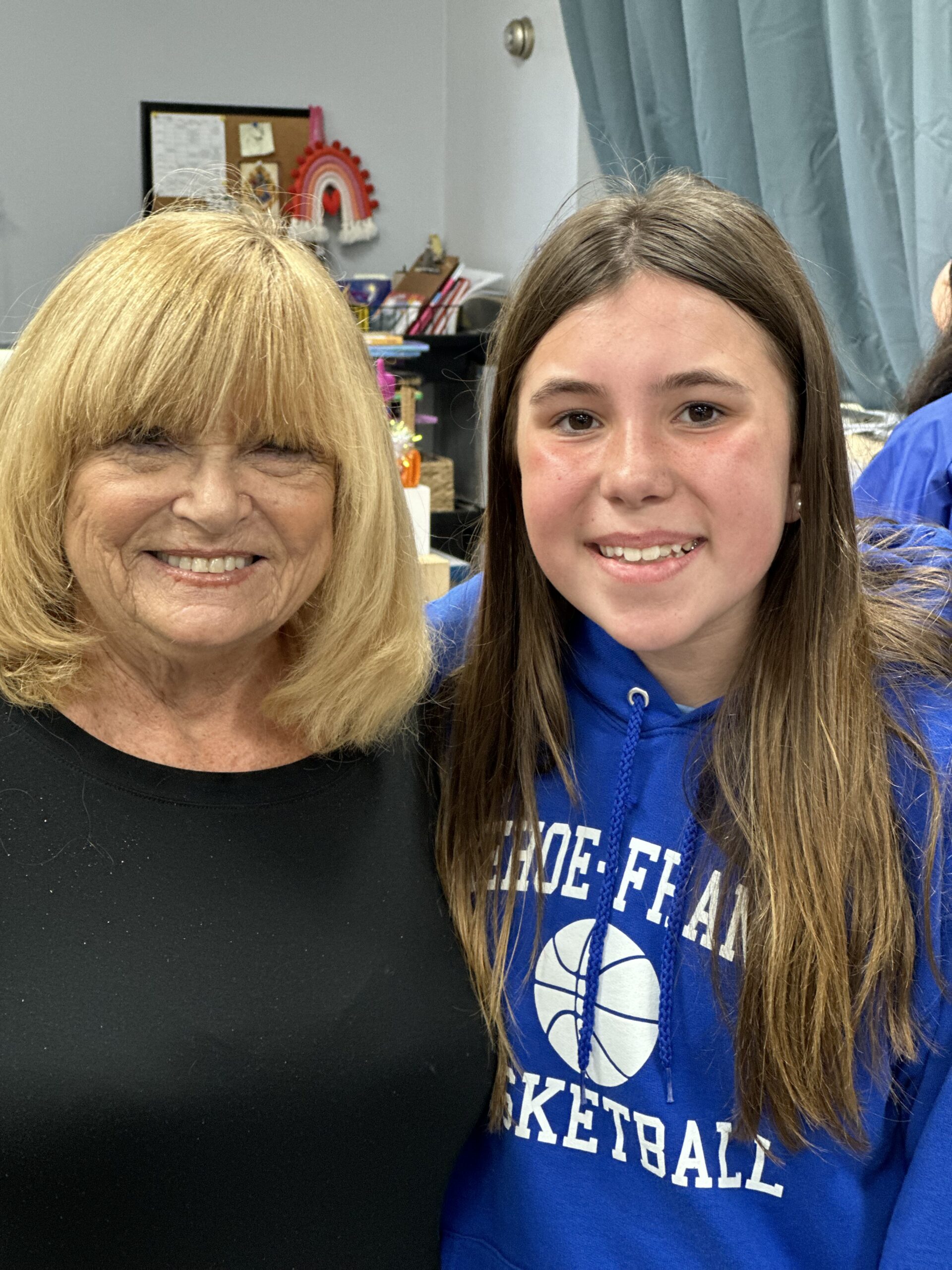
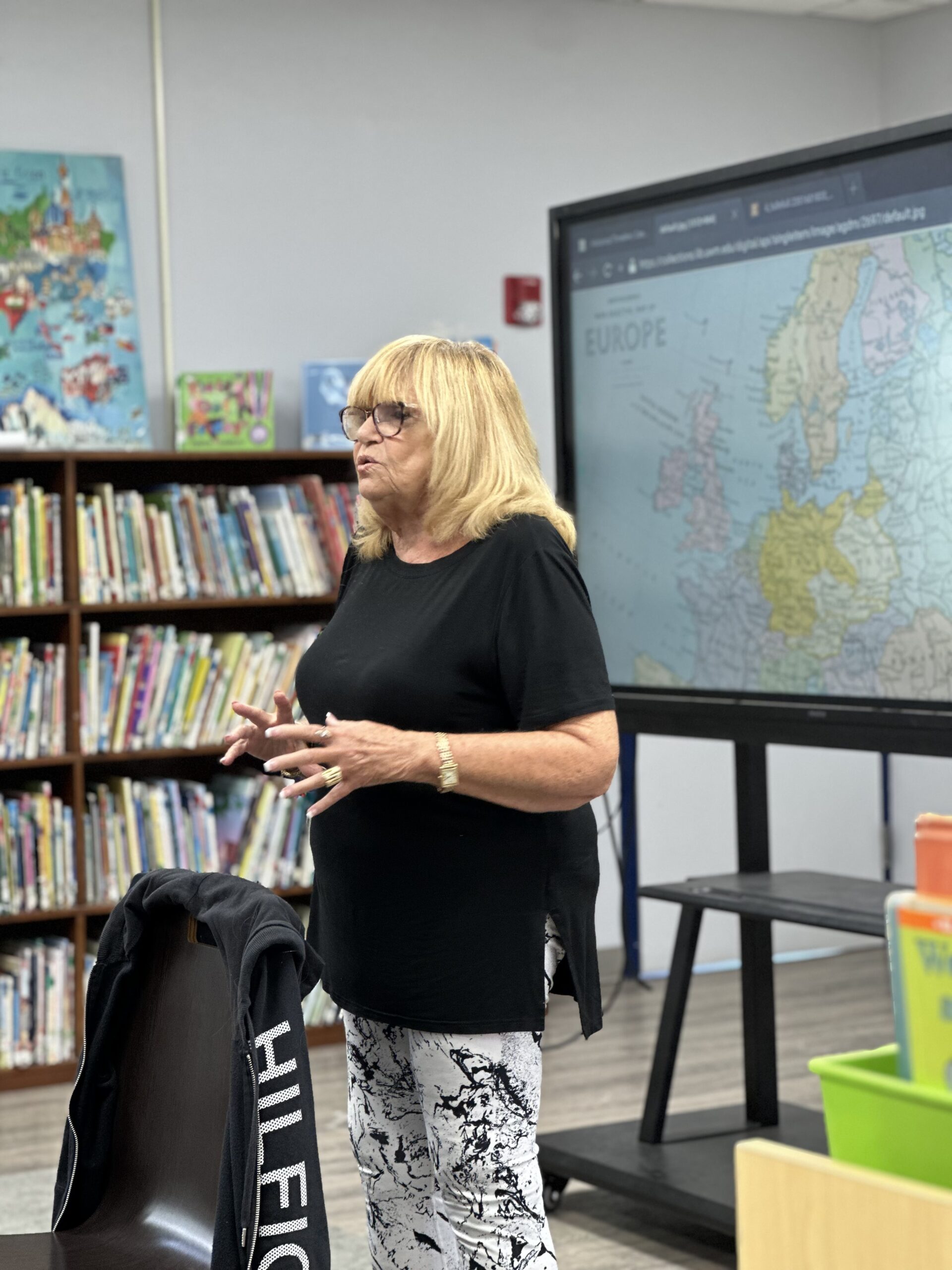
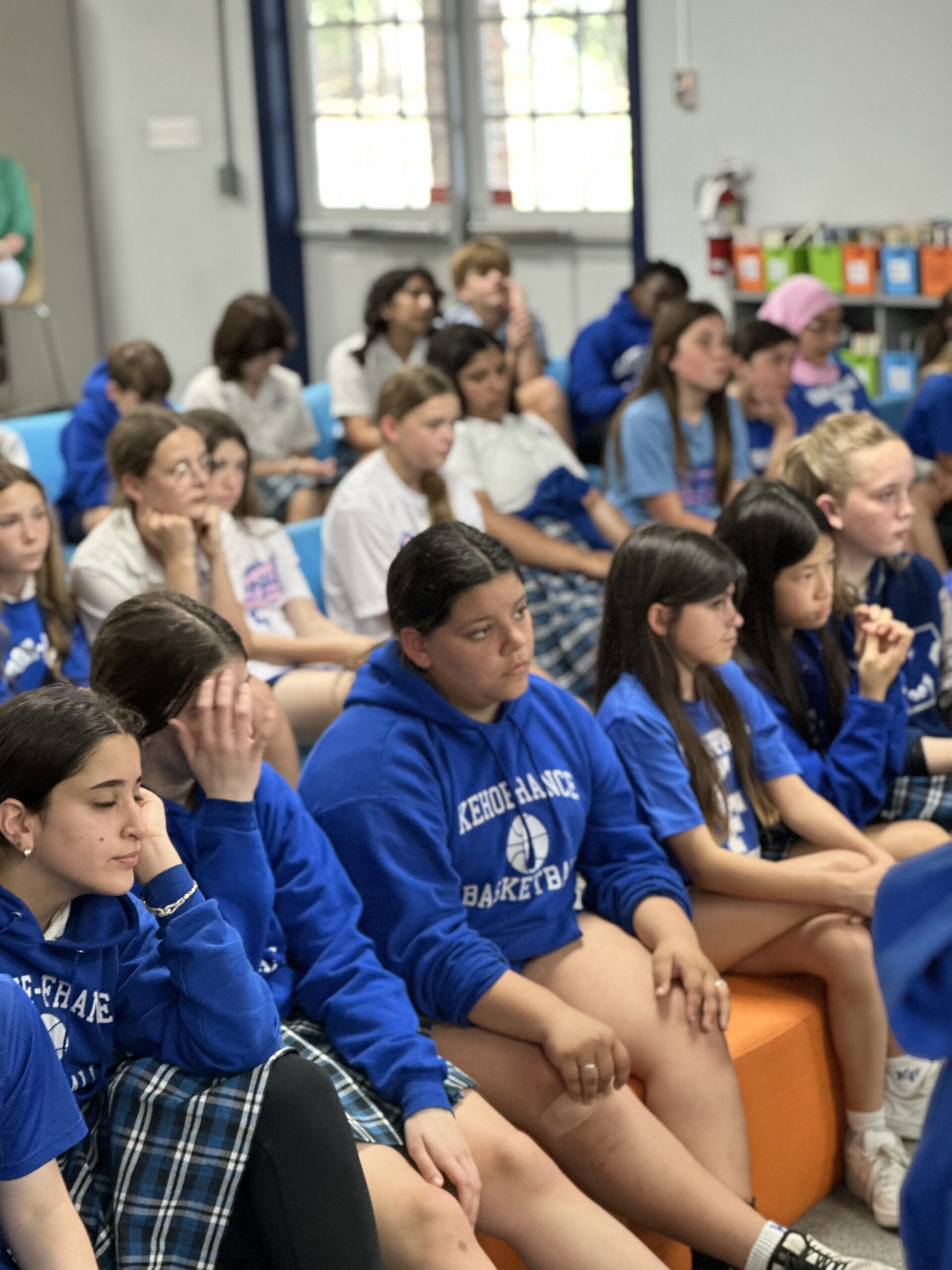
The Grant Center for the American Jewish Experience hosted a series of significant events in which Holocaust survivor Rose Rosenkranz, the subject of the play "Only Miracles," visited schools in the New Orleans area. During her heartfelt presentations, she shared her harrowing experiences during the Holocaust and the challenges she faced as a young immigrant moving to the United States. Rose's powerful story resonated deeply with students, fostering important discussions about resilience, hope, and the critical lessons of history. Her visit not only educated the youth about the Holocaust but also inspired them to appreciate the values of compassion and understanding in today's world.
Only Miracles
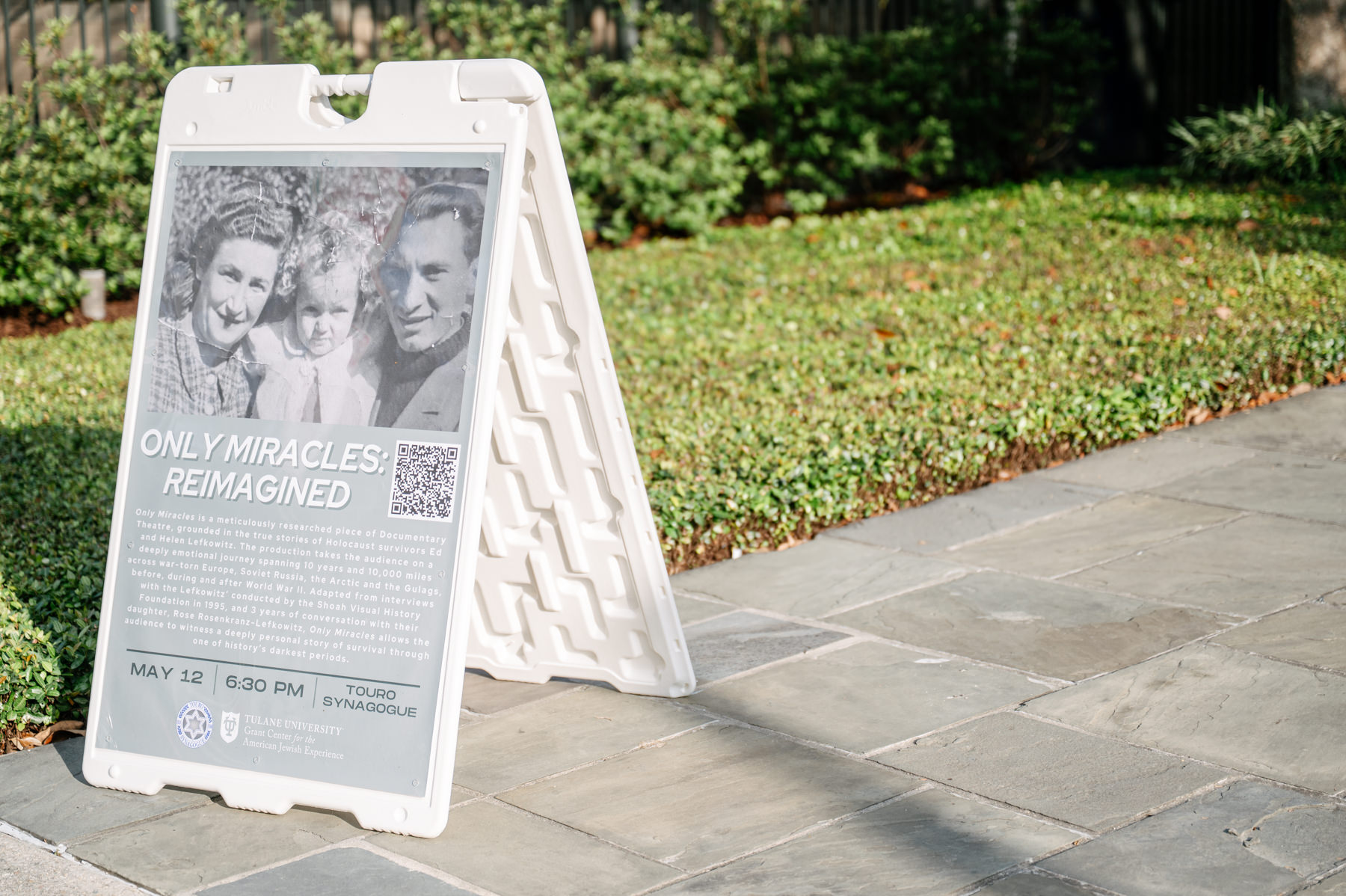
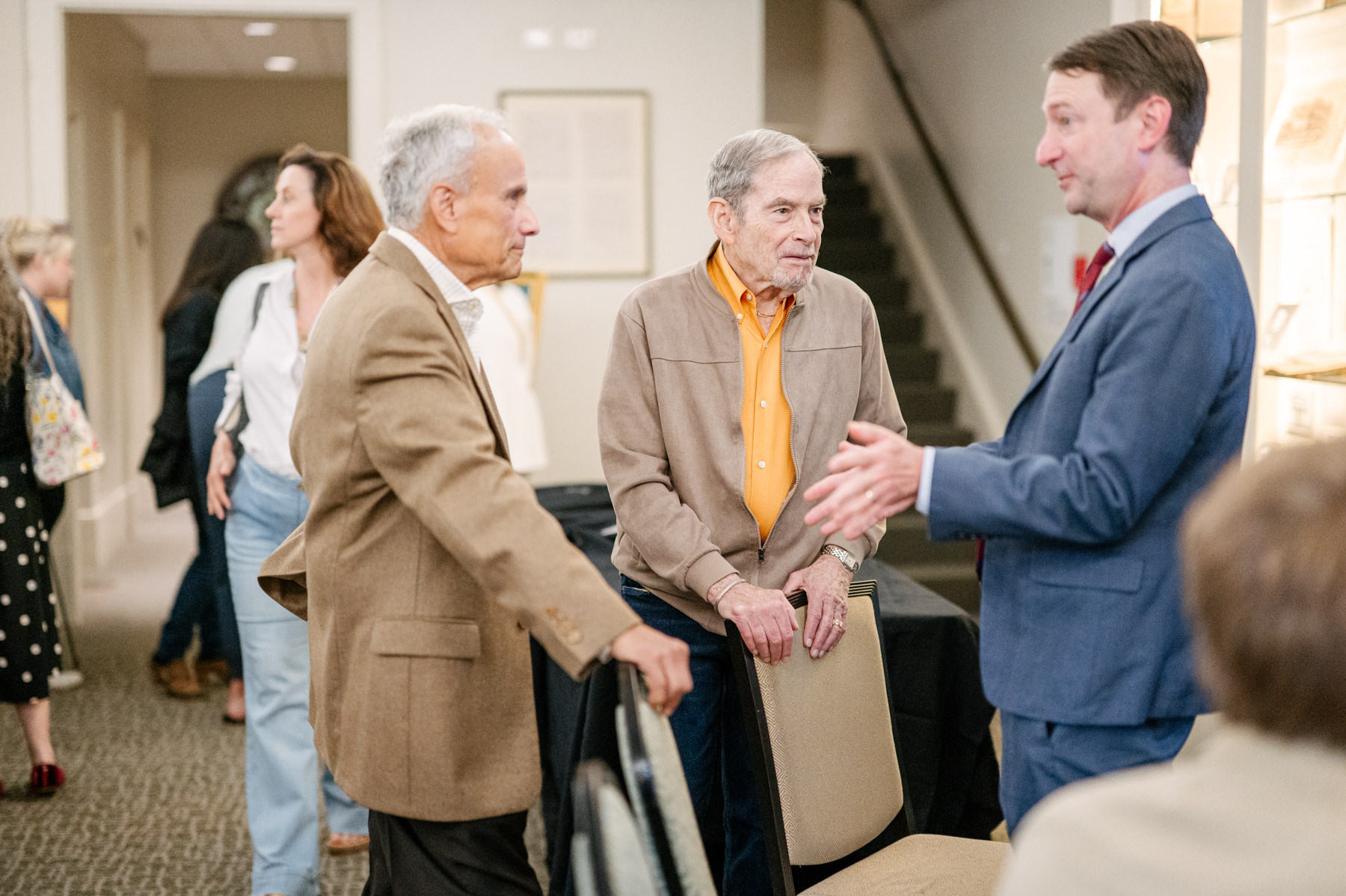
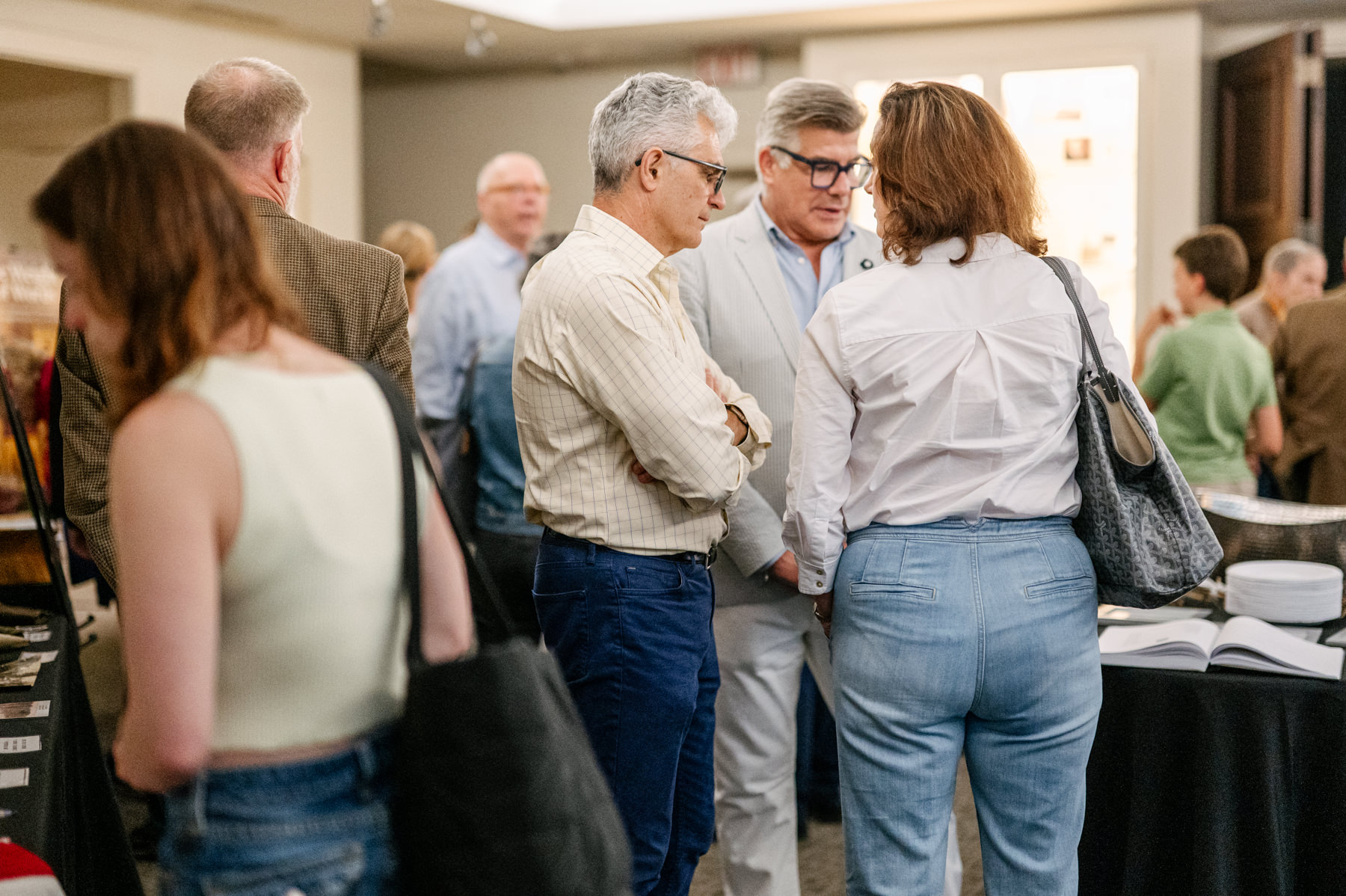
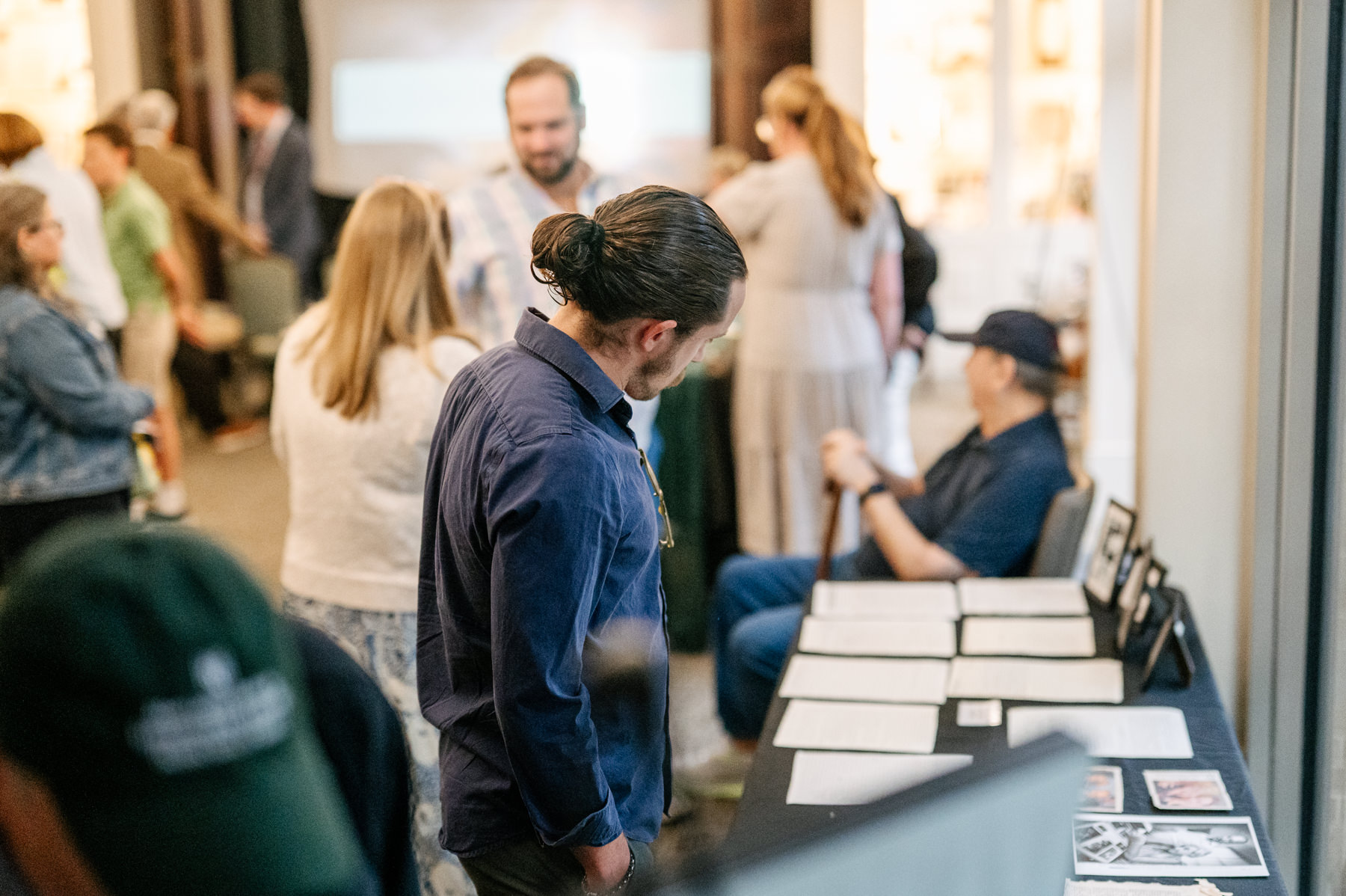
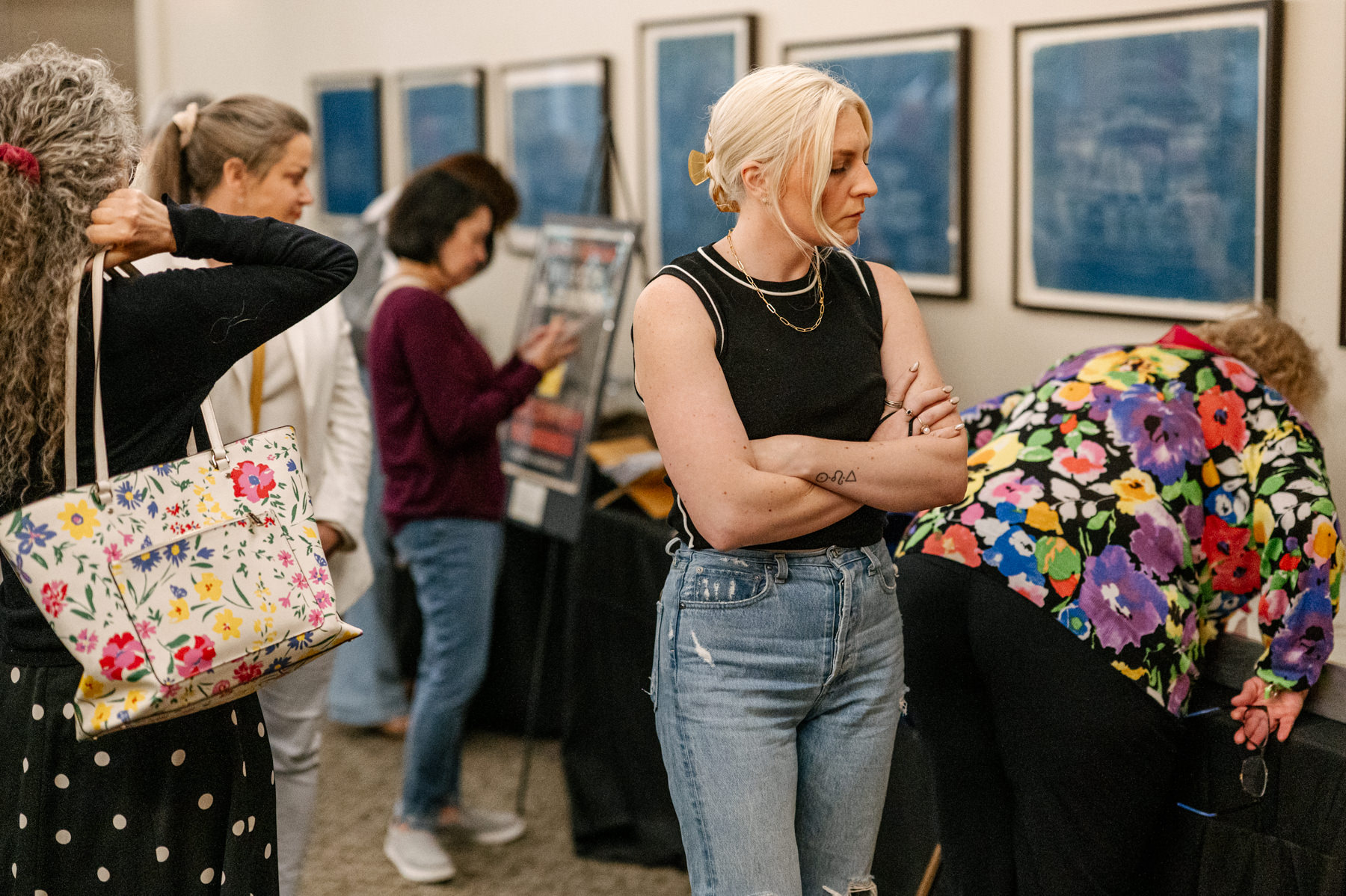
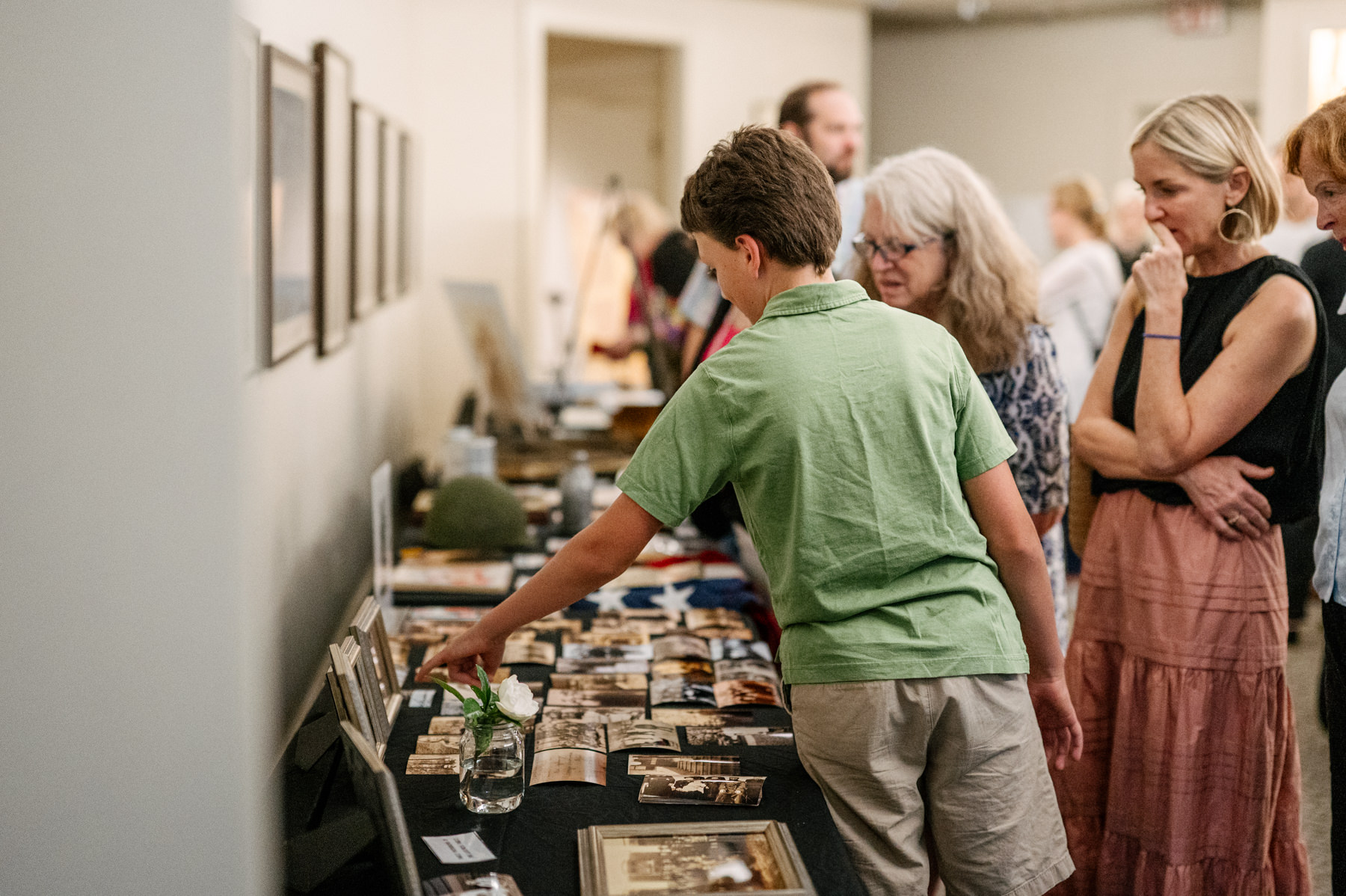
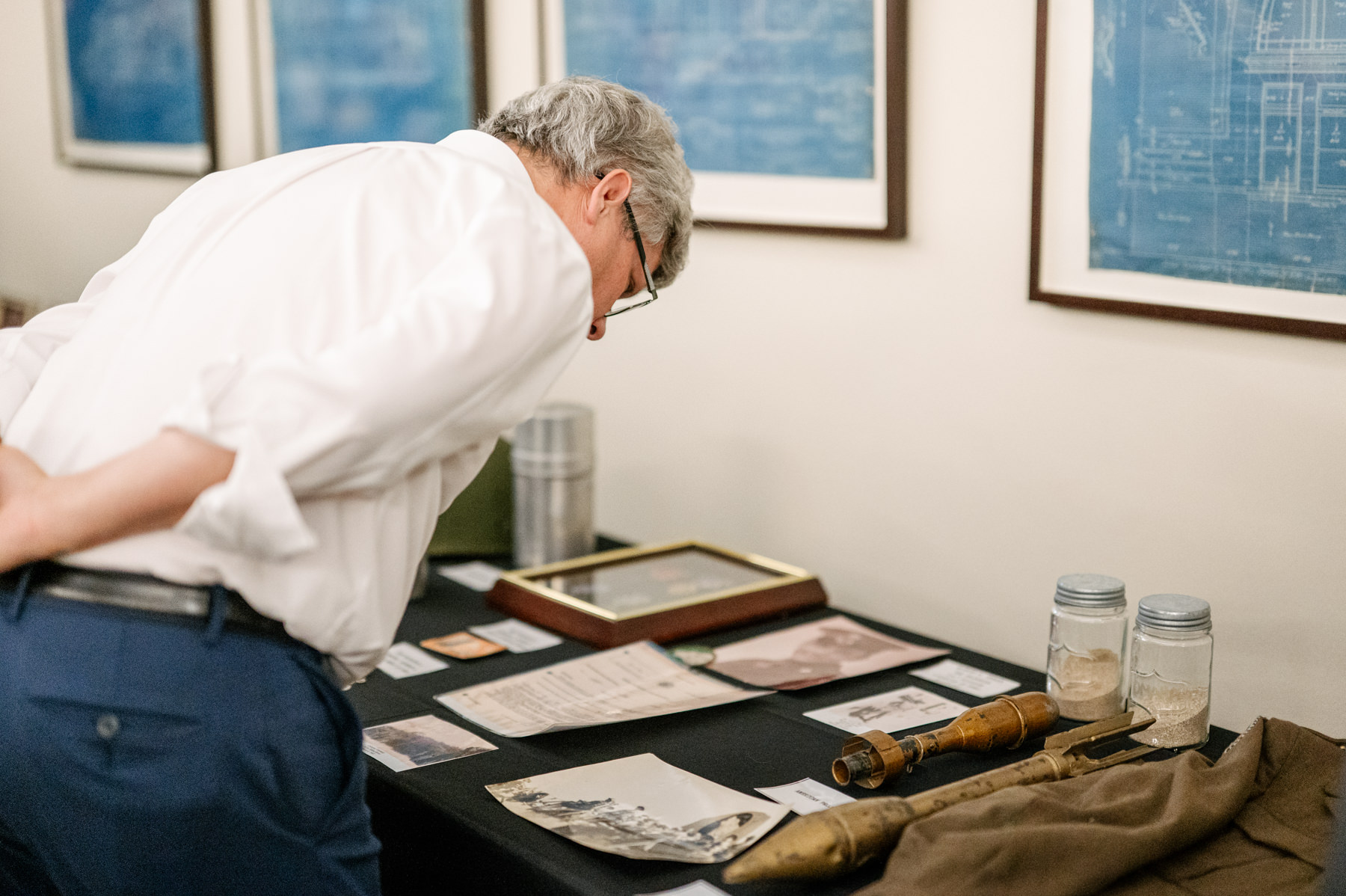
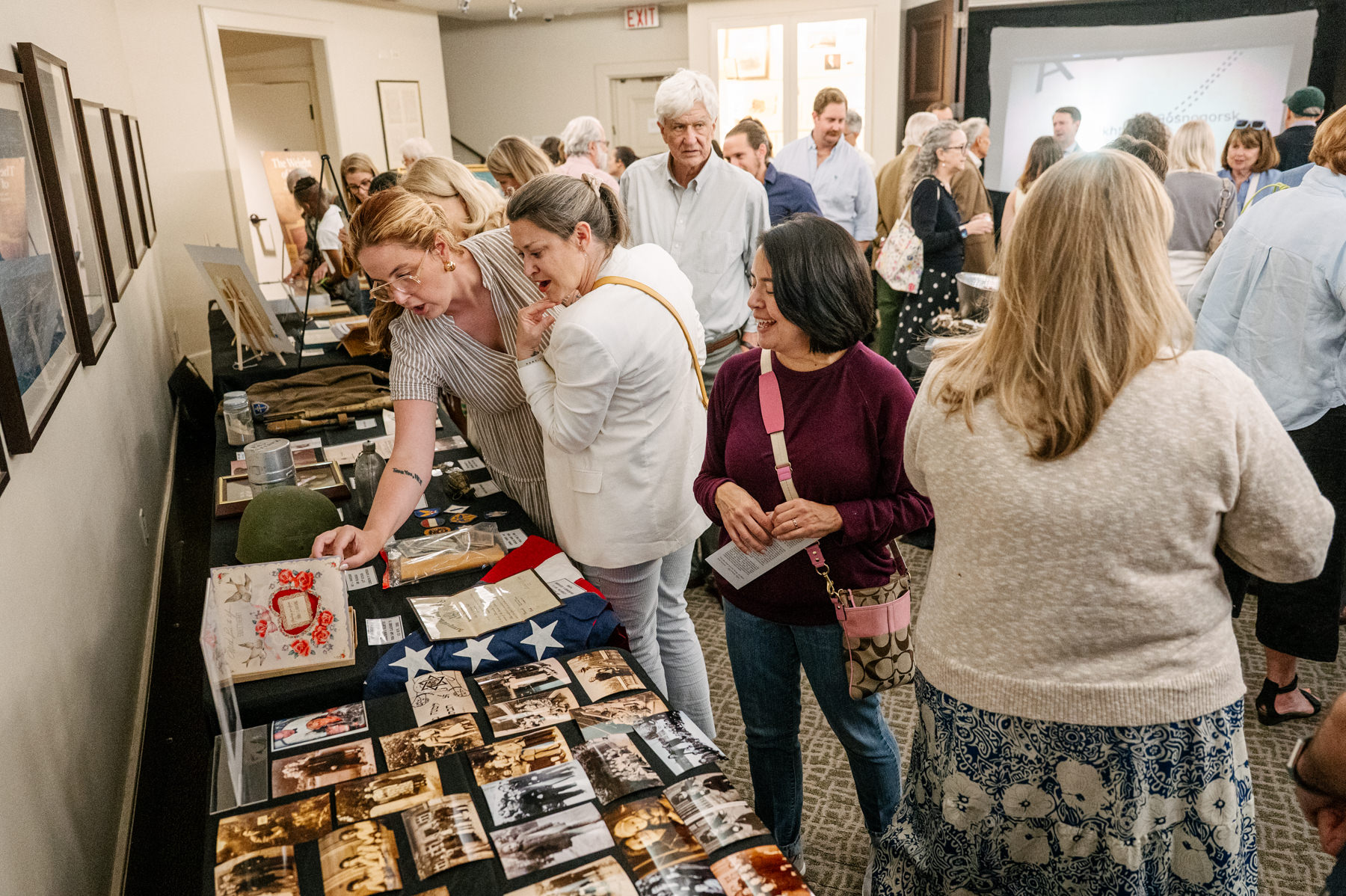
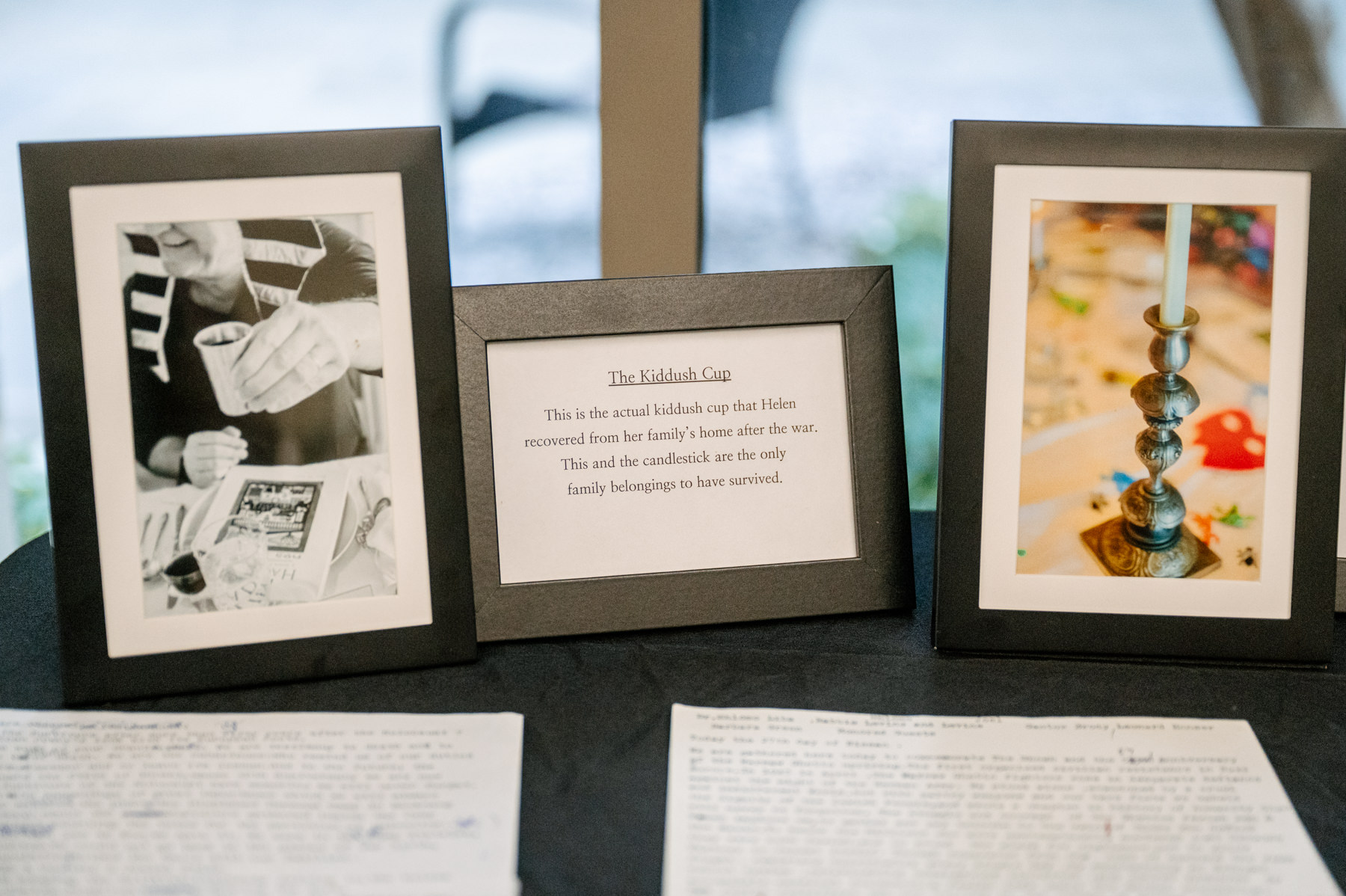
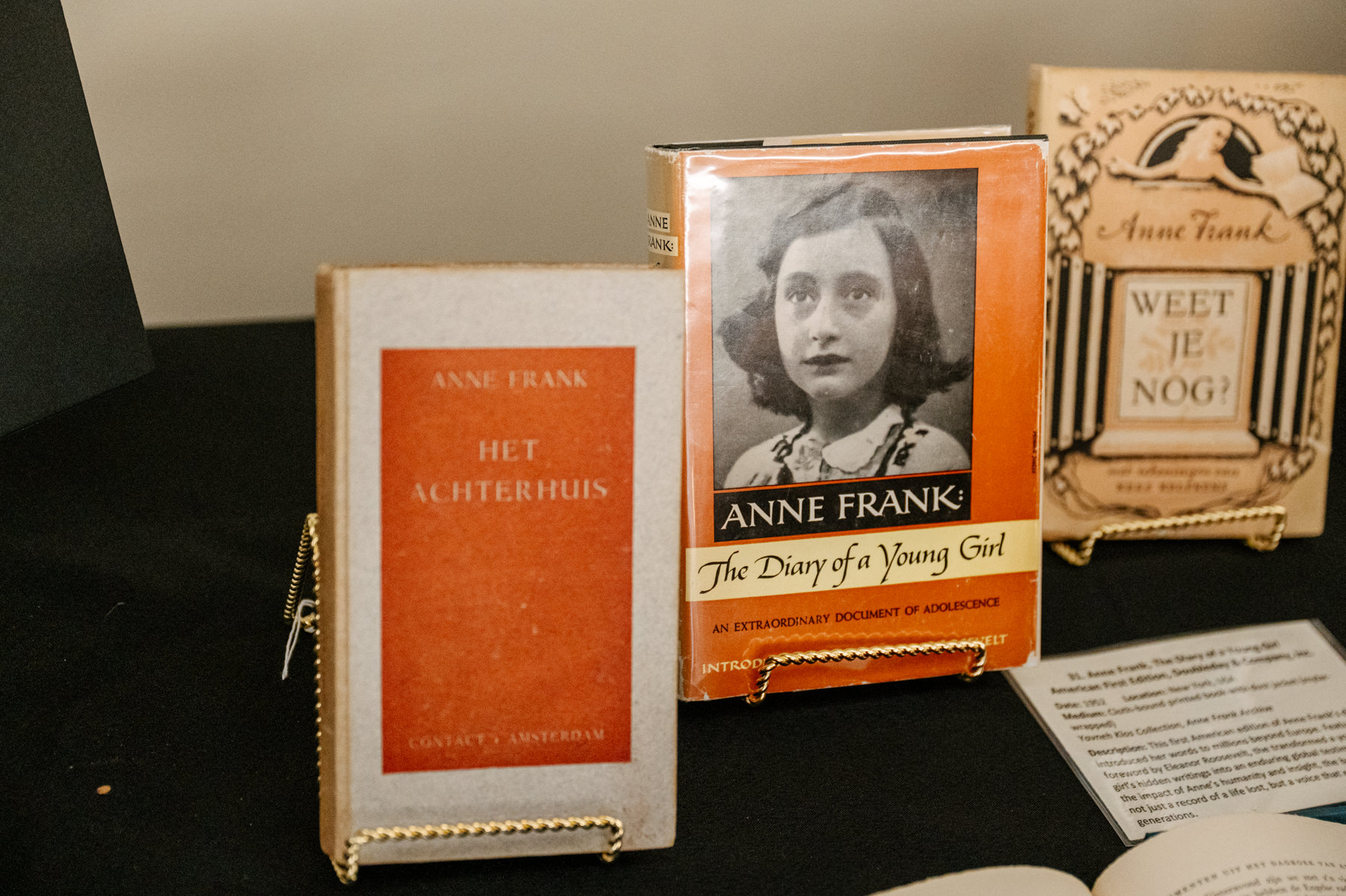
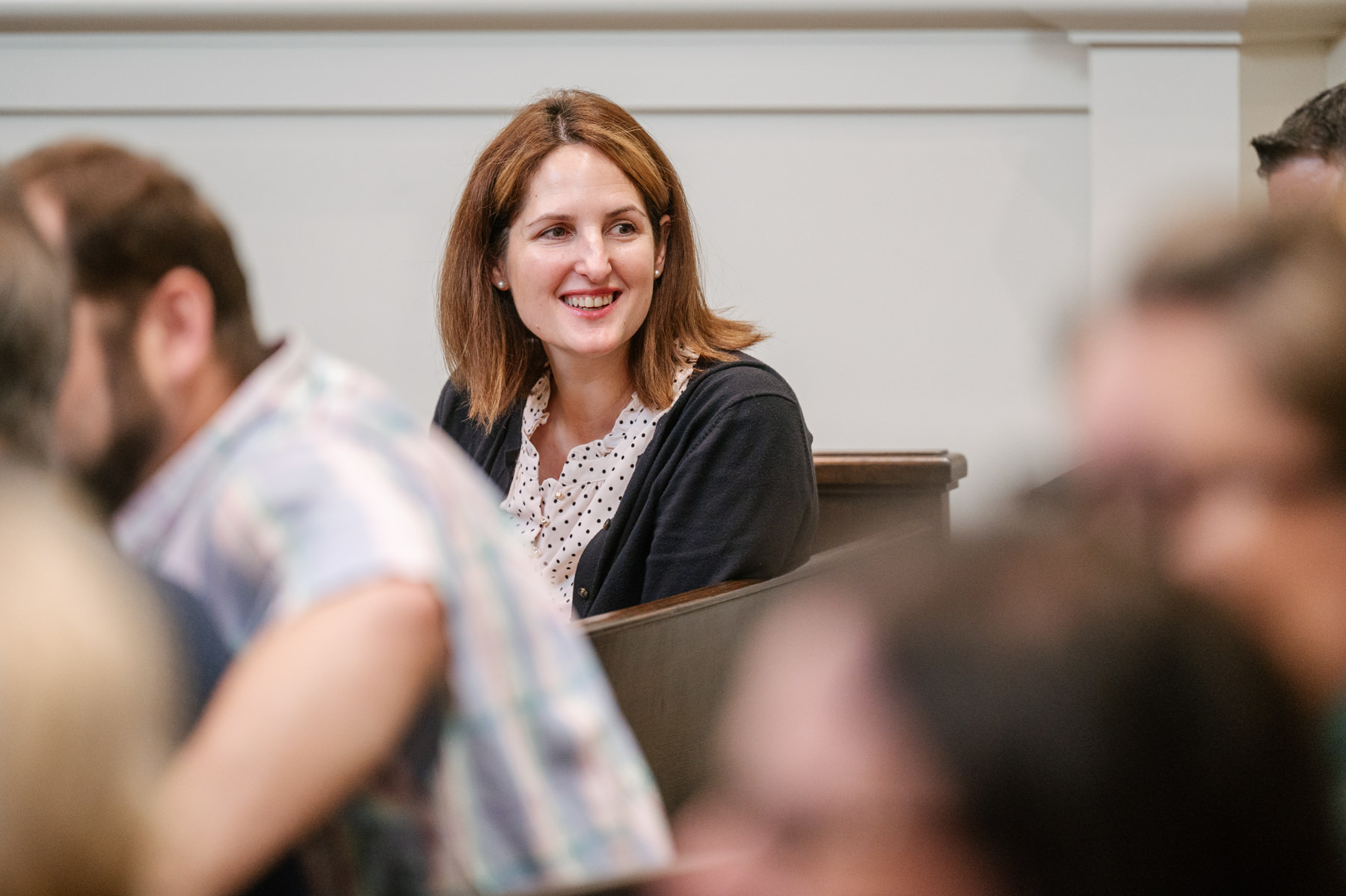

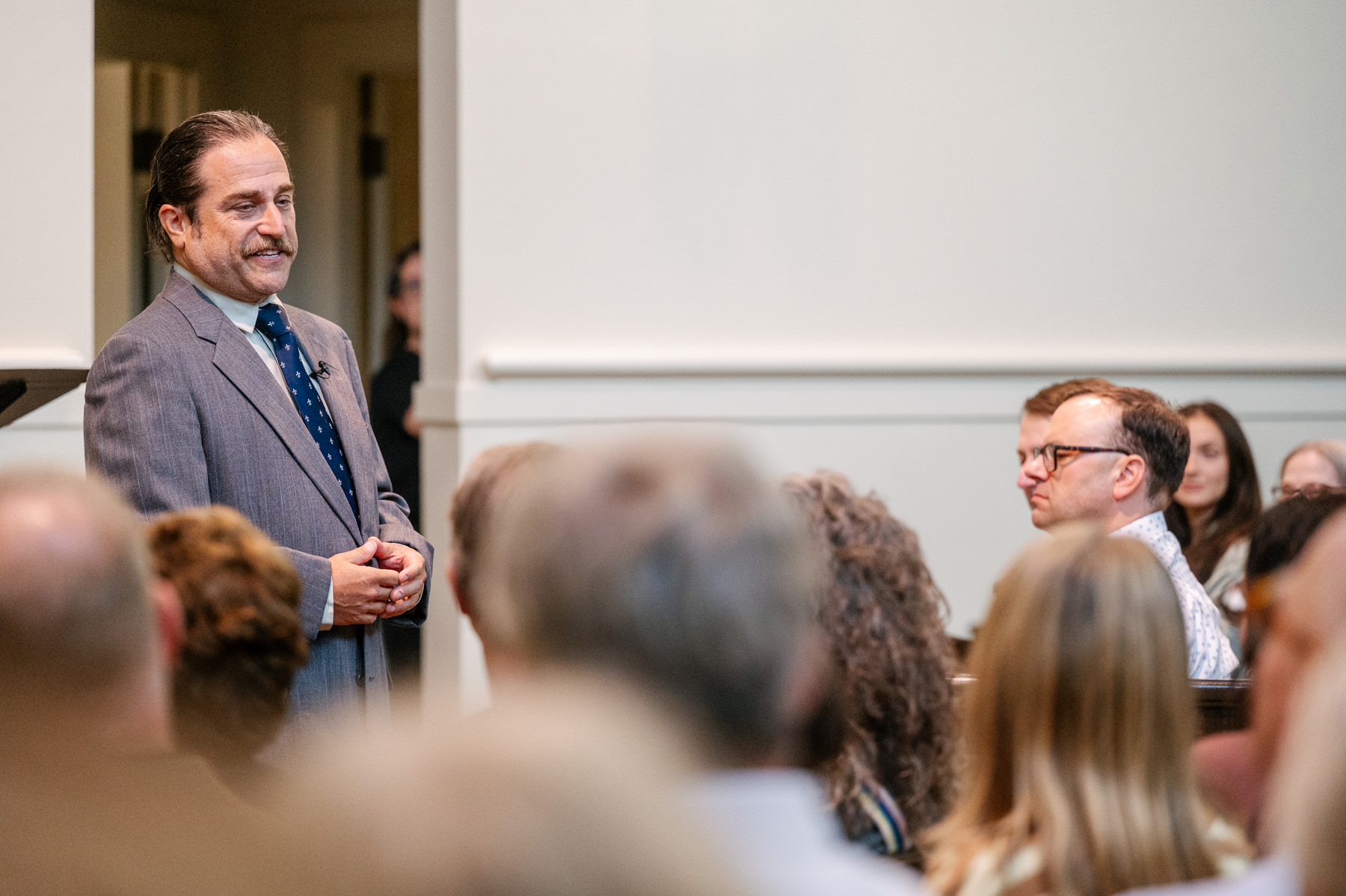
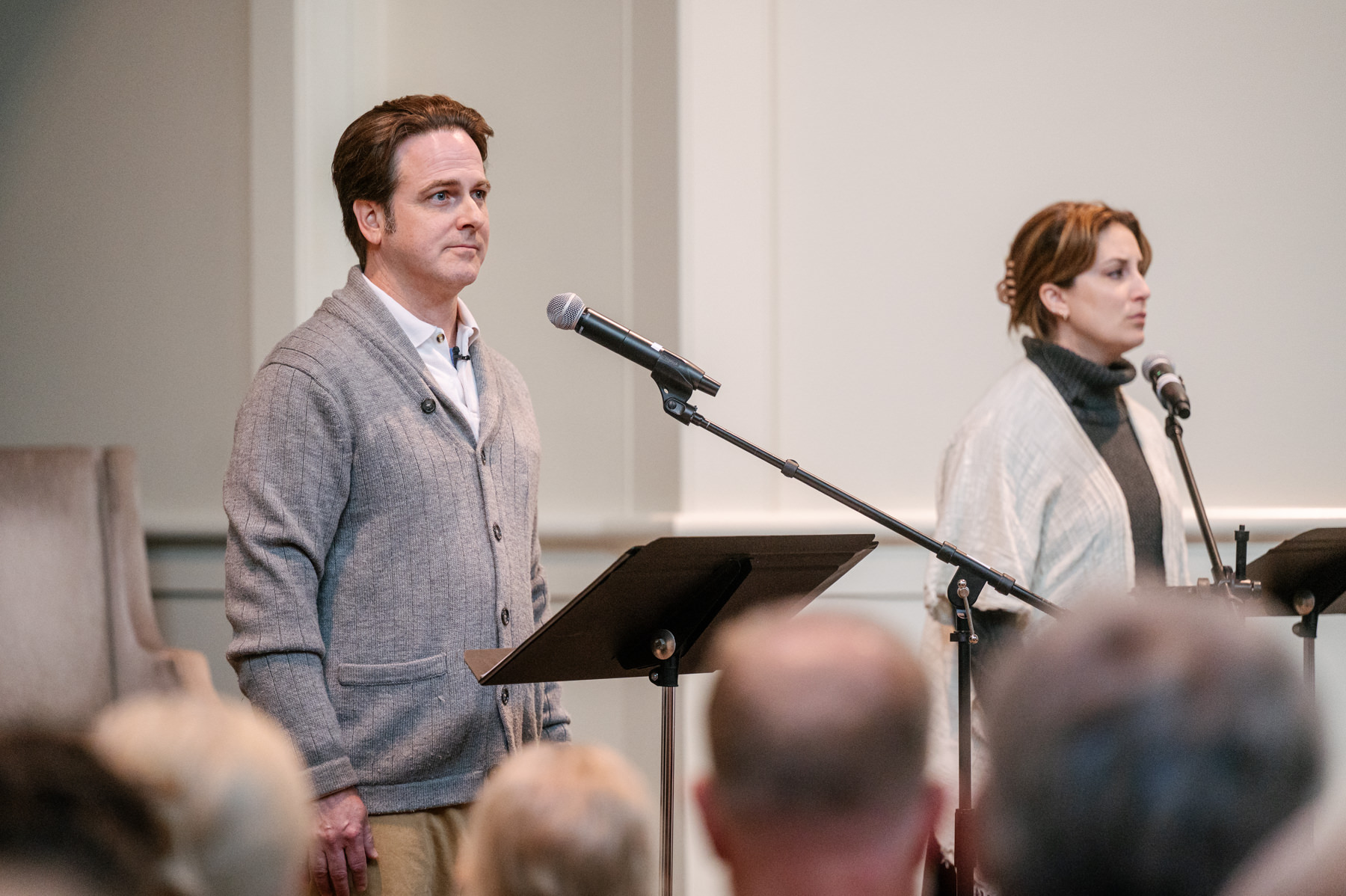
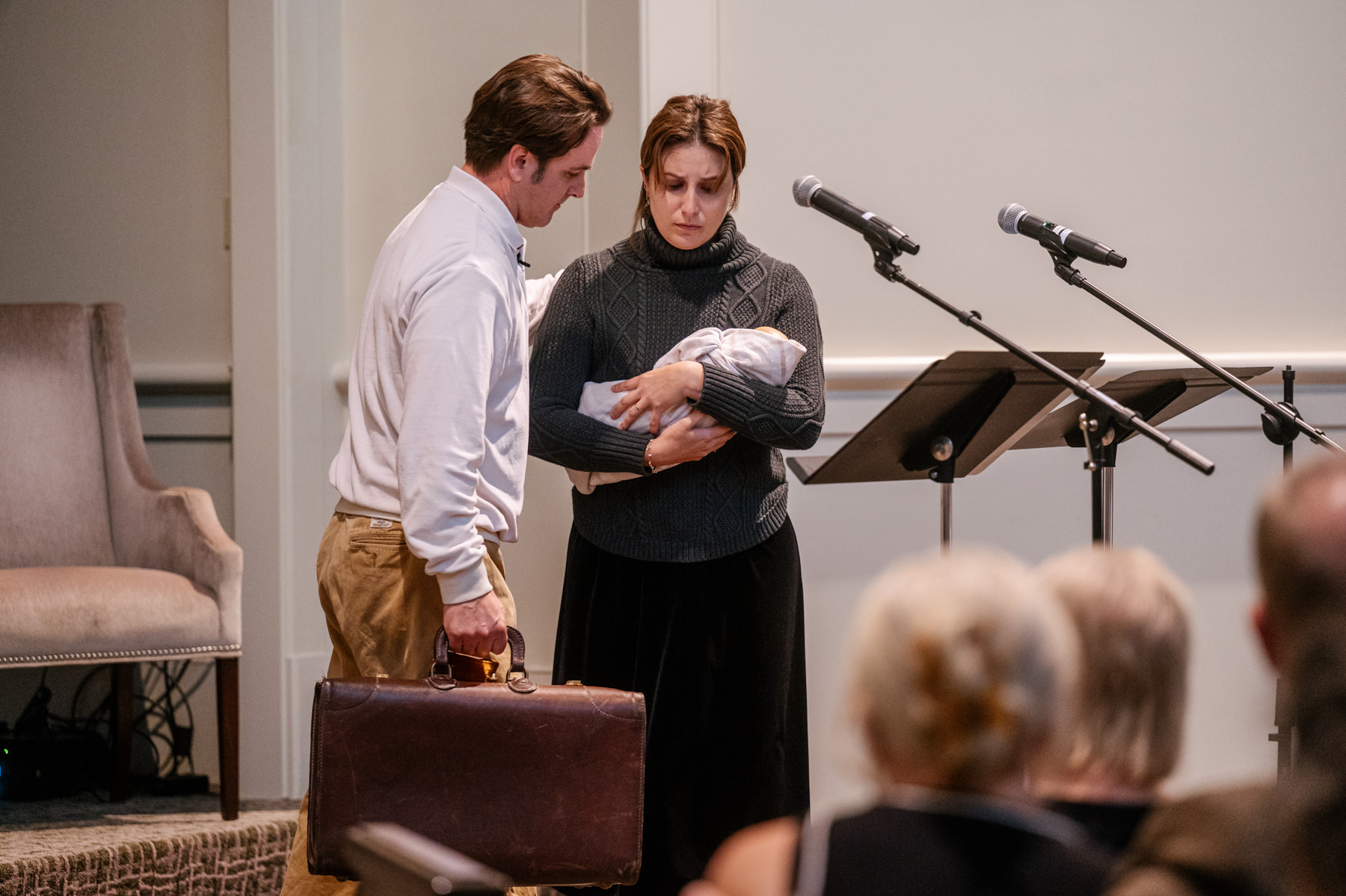
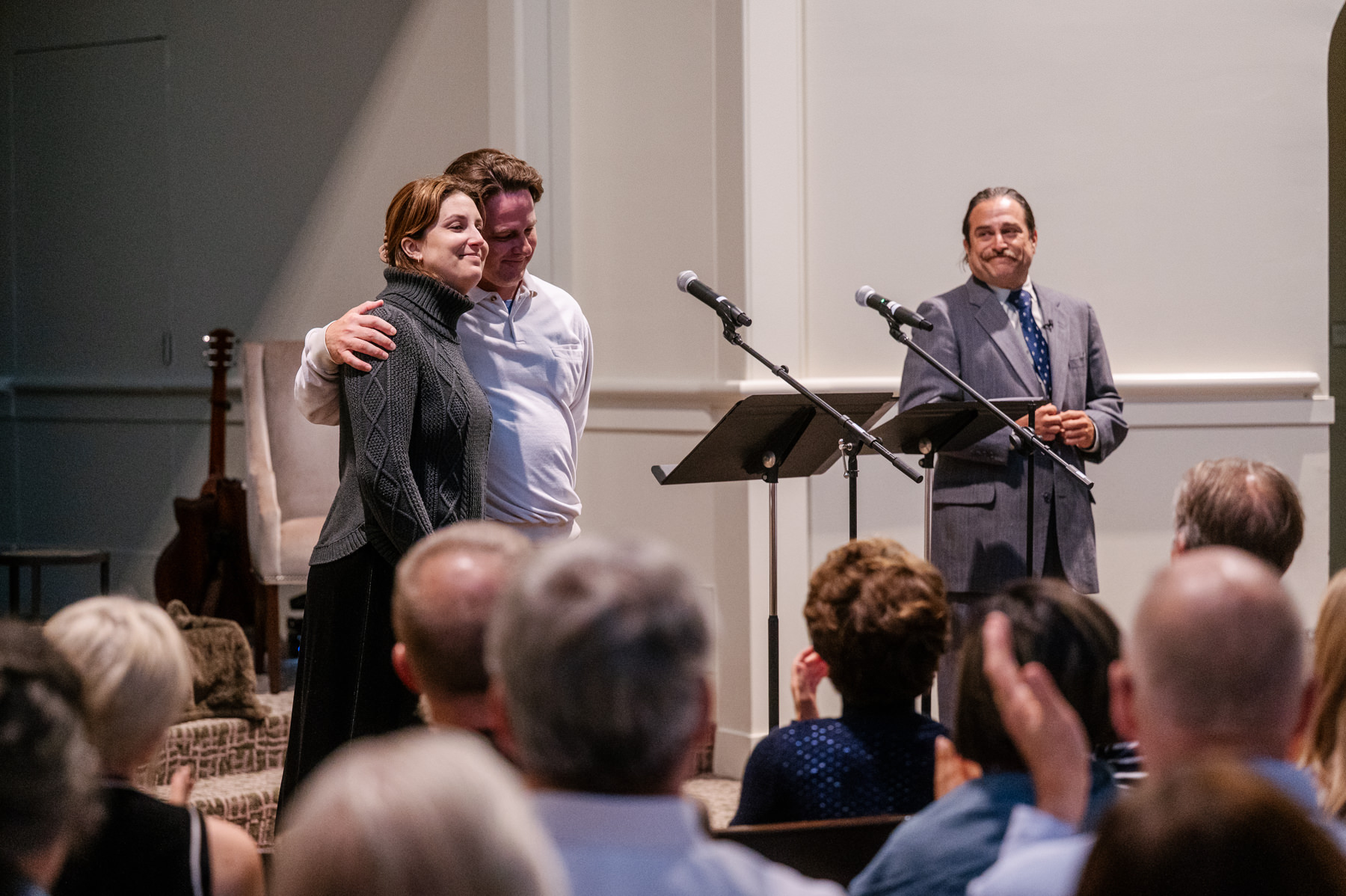
Only Miracles is a 90-minute interactive, theatrical, and educational experience written and directed by Dodd Loomis as his final MFA thesis showing. It is sectioned out into three parts, to offer a truly dynamic and unique observation of the historical lived experiences of its subjects.
The first section is a 45-minute immersive theatrical event rooted in the principles of documentary theater.
The dominant source material for this section is a pair of interviews—of Holocaust survivors Ed and Helen Lefkowitz—conducted by the Shoah Visual History Foundation on March 23, 1995.
Transcriptions of these interviews, coupled with other historic documentation, serve as the backbone of the text for the project.
The second section is a 10-minute, multimedia museum experience.
The source material for this section derives from the same 1995 interviews, as well as historic audio and video content including maps, ground plans, calendars, ticket stubs, and photographs chronicling the Lefkowitz’s arduous 7,000-mile journey of survival.
The third section is an optional, reflective space for guests to commune with other participants and digest the experience.
This innovative show is produced by the Tulane University School of Liberal Arts’ Department of Theatre and Dance, the Stuart and Suzanne Grant Center for the American Jewish Experience, and Touro Synagogue.
About the Artists
Dodd Loomis is a playwright, director, and producer whose work has toured over 35 countries, across 5 continents. Two of his previous plays were also rooted in the principles of Documentary Theatre and toured the globe for over 7 years. Loomis is currently the production manager for TUTD and a professor in the Department of Digital Media Practices. Only Miracles is the final showing for his MFA in Interdisciplinary Studies of the Performing Arts. Dodd is a proud member of Touro Synagogue.
Only Miracles features performances by Carl Briggs, Ally Heller, Audrey Jarnagin, Valeria Lievano, Caroline Sloter, and Zachary Sturza. Sound design and composition by Dylan Hunter, whose recent credits include Mr. Burns, A Post-Electric Play with TUTD and Roleplay with Goat in the Road Productions. The lighting design is by Emmy Award winner Rachel Levy. Projections are by James Lanius, whose recent credits include Haint Blu with Urban Bush Women and The Great Leap with OKC Rep. Live music is performed by violist Sam Baron and pianist Adam Matasar.
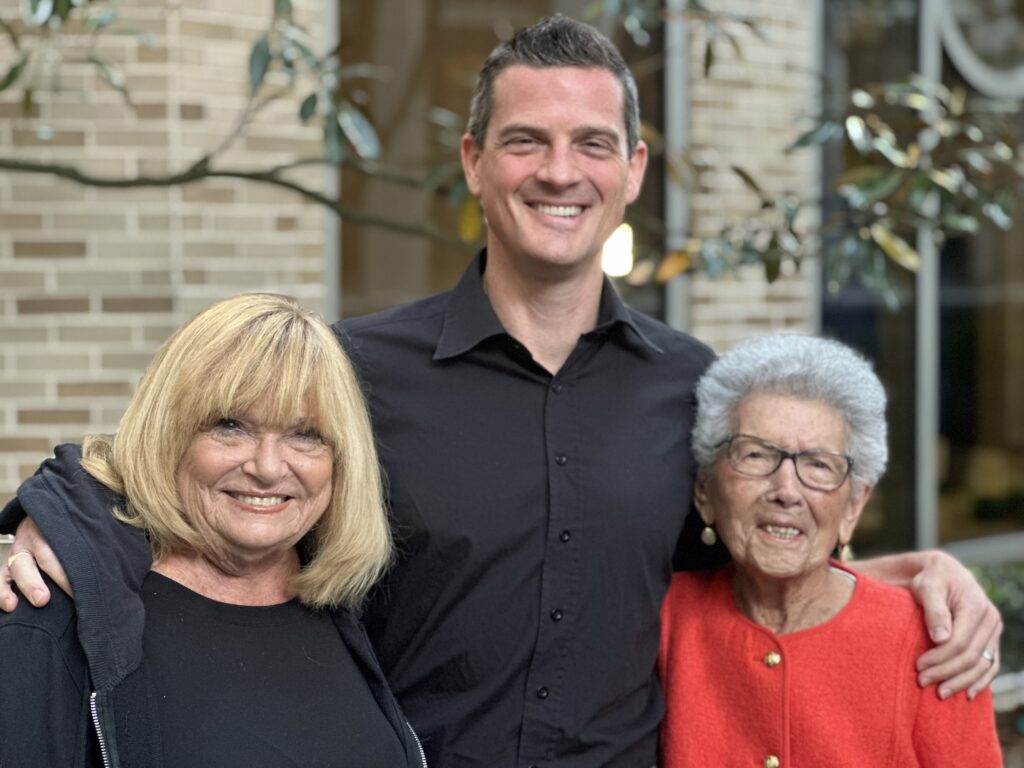
Only Miracles Production
A Conversation with Rose (Raisa) Lefkowitz Rosenkranz
Listen to Rose Rosenkranz, a Holocaust survivor and "miracle baby" born in a Siberian Slave Labor Camp in the heart of the war, in conversation with Golan Moskowitz, as she shares her story of resilience and hope. The Grant Center for the American Jewish Experience at Tulane University will present an evening of powerful narratives and personal reflections of life in the United States after the Holocaust.
Ms. Rosenkranz's remarkable story will not only educate but serve as the inspiration for the immersive theatre production titled Only Miracles, Written and Directed by Tulane Visiting Assistant Professor, Dodd Loomis. This captivating production, that took place in mid-April at the historic Touro Synagogue, brought to life the experiences of Ms. Rosenkranz, her parents and others who lived through this dark chapter in history.
Audrey G. Ratner Lecture
Rottman Family Lecture
In December 2020, Colonel (IL) Jennifer N. Pritzker, IL ARNG (Retired) facilitated a gift commitment of $1,000,000 over five years from the TAWANI Foundation to establish the Audrey G. Ratner Excellence Endowed Fund for American Jewry and Jewish Culture. Additionally, the TAWANI Foundation agreed to match, dollar for dollar, over a period of five years, private cash and stock donations received by Tulane in support of the Audrey G. Ratner Excellence Endowed Fund, for a total of up to $1,000,000. The TAWANI Foundation gift is made in honor of Audrey Gilbert Ratner, the matriarch of the Ratner-Pritzker families. Ms. Ratner is mother to Jennifer, and grandmother to both Andrew Pritzker and Emily Ratner. Ms. Ratner selected Tulane to be the recipient of this honorary gift from her daughter Jennifer to honor her grandchildren’s education and continued involvement at Tulane.
The Audrey G. Ratner Excellence Endowed Fund for American Jewry and Jewish Culture supports a dynamic slate of action-oriented programming goals, innovative student engagement activities, and cutting edge research, educating Tulane students for the transformative purpose of becoming the forward-thinking Jewish leaders of tomorrow. To accomplish this goal, the endowment will support key initiatives and programs. Students will have opportunities to cultivate leadership skills through structured academic experiences: the Audrey G. Ratner Jewish Leadership Course and Student Faculty Research Funds.
The Ratner Speaker Series supports lectures, roundtables, and films and could bring internationally renowned speakers to Tulane University. Our participants—artists, scholars, public intellectuals, communal leaders—will contribute to a robust conversation about American Jewish culture, history, and ideas, to which the entire Tulane community would be invited. Ratner Speakers will also meet with student leaders at Hillel, connecting their academic work with our community and offering another area where student leaders could experience life-changing growth in their personal understanding and relationship to Judaism and Judaic culture.
"Antisemitism, An American Tradition" Book Talk with Dr. Pamela Nadell
From the arrival of Jews in New Amsterdam in 1654 to the present day, Nadell traces nearly four centuries of antisemitism in the United States in her book, "Antisemitism, An American Tradition"—how it took root, how it has shaped Jewish life, and how Jews have continually resisted prejudice through advocacy, law, and coalition-building. At a moment of rising hate, this book reminds us why understanding this history matters.
Pamela S. Nadell holds the Patrick Clendenen Chair in Women's and Gender History and is Director of the Jewish Studies Program. A specialist in American Jewish history and women’s history, she teaches a variety of courses in Jewish civilization. Her awards include AU’s highest faculty award, Scholar/Teacher of the Year (2007). Pamela Nadell’s books include America’s Jewish Women: A History from Colonial Times to Today (W.W. Norton, 2019), named Jewish Book of the Year by the Jewish Book Council. Reviewed in the New York Times, America’s Jewish Women was praised as “a welcome addition to the American historical canon.” Past president of the Association for Jewish Studies, Nadell’s other titles include Women Who Would Be Rabbis: A History of Women's Ordination, 1889–1985 (Beacon Press, 1998). She consults for museums including the National Museum of American Jewish History and the Milken Center for Advancing the American Dream. She lectures widely, frequently appears on podcasts, and has written for, among others, the Washington Post, The Conversation, and Hadassah Magazine. In 2017, she testified before Congress about antisemitism on college campuses.
Jewish Stories of Katrina: Why They Matter 20 Years Later with Dr. Karla Goldman
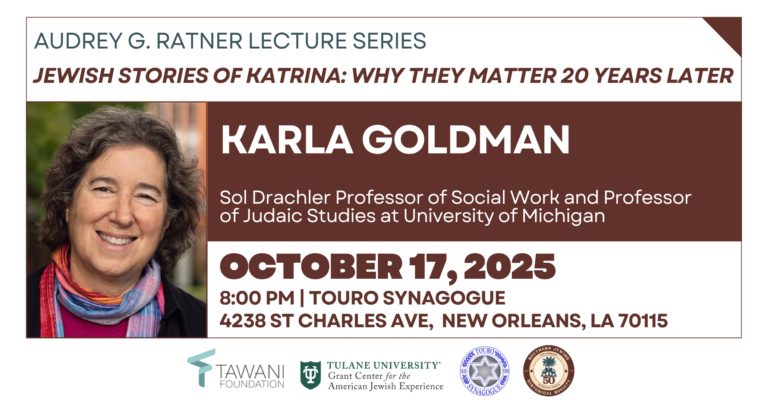
“The hundreds of thousands of individual stories of displacement, despair, resilience, and survival left behind by Hurricane Katrina shine a rare spotlight on the communities and relationships in which we live and find meaning. Not surprisingly, it is the most desperate stories of abandonment experienced by the most impoverished populations of New Orleans and the massive governmental failure to respond effectively to the crisis that have become central to our collective understanding of the storm’s impact and significance.
What follows is a brief exploration of some of the themes that shaped the Jewish experiences of Katrina, as reflected in the words of the some of the 85 narrators who participated in the Katrina’s Jewish Voices Oral History Project, conducted by the Jewish Women’s Archive (where Karla worked from 2000 to 2008 as historian in residence) and the Institute for Southern Jewish Life. The answer, perhaps, to the question of why we should preserve these stories comes in the stories themselves.”
A Credit to the Nation: The Lost World of Eastern European Jewish Immigrant 'Bankers,' 1873-1930 with Dr. Rebecca Kobrin
How different would the central narrative of American Jewish immigration history sound if we invited its commercial practices to center stage? Between 1870 and 1930 thousands of East European Jewish immigrant businessmen set up financial enterprises called immigrant banks that not only shaped mass Jewish migration from Eastern Europe but American finance as well. Using an interdisciplinary approach that draws on court cases, the foreign language press, business records, and memoirs, my talk highlights the central role East European Jewish immigrant entrepreneurs played on both sides of the Atlantic. Offering credit to prospective migrants by selling them ship tickets on installment, these immigrant businessmen embedded East European migrants in a larger system of distribution and established them as lucrative commodities. Once these migrants settled in their new homes, these entrepreneurs continued to offer them credit for business ventures and real estate investment, as more established banks refused to address their financial needs. In doing so, they not only aided in Jewish immigrant adaptation but left an indelible imprint on New York City’s development and industries.
In Each and Every Generation: Survivors and Their Descendants with Dr. David Slucki
It is perhaps obvious today to say that the Holocaust left a lasting impact on survivors and their descendants, that they have experienced trauma, isolation, and struggled with what it means to carry the Holocaust legacy. But it wasn’t always so obvious. In this talk, Dr. David Slucki examines the long-term impact of the Holocaust on survivors, and their children and grandchildren and how the ways we think about these impacts have changed over time and generations. In looking at the stories and scholarship on survivors and their descendants, Dr. Slucki investigate how each of these generations has integrated knowledge of the Holocaust into their lives, on an individual, familial, and communal level. Scholars across a range of fields, particularly history, psychology, and literary studies, have long debated how or whether trauma is transmitted, how the Holocaust changed what it means to be Jewish, or what the Jewish family might look like in the wake of the destruction of Jewish families. But there has never been a settled answer and we still continue to grapple with how the Holocaust has changed our lives and what is the best way to remember it and understand its impact. This event was in conversation with the Grant Center’s Dr. Michael Cohen.
Ballots, Babies, and Banners of Peace: American Jewish Women's Activism with Dr. Melissa Klapper
This talk with Dr. Melissa Klapper explored the social and political activism of American Jewish women from the 1890s through World War II, focusing on three mass women’s movements of the day: suffrage, birth control, and peace. No history of first wave feminism is complete without understanding the outsize impact of Jewish women on these movements and the powerful effect of their activism on contemporary American life.
Kosher Soul: Black Jewish Identity Cooking with Michael W. Twitty
Michael W. Twitty is an award-winning culinary historian and food writer. His 2017 book, “The Cooking Gene,” traced his ancestry through food from Africa to America and from slavery to freedom and won the 2018 James Beard Award for writing.
In this lecture, Michael W. Twitty considered the marriage of two of the most distinctive culinary cultures in the world today: the foods and traditions of the African Atlantic and the global Jewish diaspora. “Kosher Soul,” his follow up to “The Cooking Gene,” was published in 2022 through HarperCollins.
Jews in the United States and the Response to the Holocaust, 1942-1945 with Dr. Jason Dawsey
Reports of the mass murder of European Jews reached Jews in the United States in 1942. Although precise knowledge of what was actually happening was piecemeal, American Jews and Jewish refugees, recently arrived in the US, mobilized to draw attention to the genocide, demanded military action against the Nazis to stop the killing, and called for collective efforts to aid survivors. This talk covers the range of responses from the Jewish community in the US to the Holocaust during World War II.
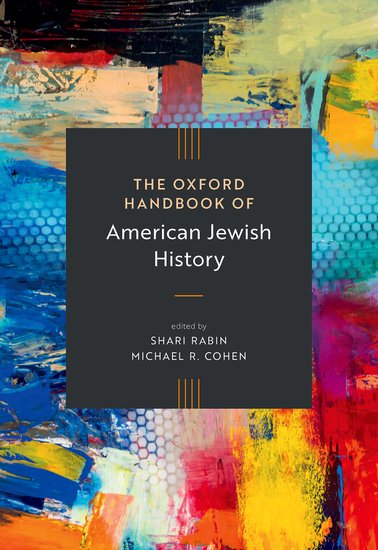
The Oxford Handbook of American Jewish History will create a vibrant dialogue among the varied approaches to the study of American Jews, taking stock of the field and working to move it forward in conversation with the neighboring fields of American history and modern Jewish history. The Handbook is edited by Grant Center Director Dr. Michael Cohen, together with Dr. Shari Rabin (Oberlin), and its authors are drawn from the ranks of the senior scholars who pioneered the field, often from the vantage point of other areas of study, as well as younger scholars, both those trained in American Jewish history and those studying American Jews from other disciplines. The Handbook will act as a guide for outside scholars looking to understand American Jews and for those within American Jewish history – novices and veterans alike – interested in up-to-date assessments of key questions in the field. Its essays will explore a variety of conceptual frameworks that have been and continue to be important for understanding American Jews, and will move forward into the arena of American Jewish studies, highlighting how new methodologies can enhance scholarly understandings of American Jewish history.
Use code "AUFLY30" to get 30% off your copy when you purchase through The Oxford University Press website.